DJ Mag
#52
Experience India’s Premier 7 months music production program, designed to immerse you entirely in the art of music production, music theory and songwriting, audio engineering concepts, sound designing, mixing and mastering. Master the art of making music that sounds professional and consistent, get more benefits and an extended support program.
 English, Hindi
 English, Hindi
Upcoming Batch - 1st Oct, 2026 - Mumbai



























In-depth live sessions which are also made available for viewing later at no extra cost
Learn the foundations of music production and take your first steps inside Ableton Live. This module is designed for beginners and covers essential workflow, beat-making, music theory, MIDI programming, sampling, arrangement, and core mixing concepts. Students will develop creative habits, understand how professional producers build songs, and gain the skills required to confidently start producing music across multiple genres.
Welcome to Music Production: Mindset, Creativity & Course Roadmap
Get introduced to the course structure, instructors, and the mindset required to succeed as a music producer. Learn how to listen to music analytically, identify musical elements, and develop productive creative habits.
Ableton Live Foundations: Interface, Workflow & Ear Training
Understand the Ableton Live interface, navigation, workflow, file management, and essential shortcuts. Begin developing your ears to recognize rhythm, melody, and important musical details.
Building Beats: Drum Programming & Understanding Genres
Learn how to create drum patterns using Drum Rack and understand the rhythmic foundations of various genres. Explore groove, timing, and time signatures while building professional-sounding beats.
Music Theory for Producers: Scale, Keys and Chords
Understand scales, keys, intervals, and chord construction with a practical approach designed specifically for producers. Learn how music theory can improve songwriting and production decisions.
Mastering MIDI & Piano Roll Essentials
Gain complete control over MIDI programming and editing. Learn note placement, velocity, timing adjustments, quantization, and advanced piano roll techniques used in professional productions.
Creating Professional Loops Across Genres
Discover how to create engaging loops for Pop, Hip-Hop, Electronic, R&B, and other styles. Improve your musical listening skills while understanding how producers build ideas and maintain interest.
Sampling & Audio Manipulation Fundamentals
Explore Simpler, audio warping, sample editing, and creative sampling techniques. Learn how producers manipulate audio and transform sounds into unique musical elements.
Creative MIDI Processing & Composition Tools
Use Ableton's MIDI effects and composition tools to generate ideas, create harmonies, develop rhythms, and speed up the songwriting process.
Automation & Macro Controls: Bringing Tracks Back to Life
Learn how automation and macro controls bring tracks to life. Understand parameter movement, dynamic changes, and creative techniques that add excitement and expression to your productions.
Song Arrangement & Transitions
Transform loops into complete songs by understanding arrangement, energy flow, intros, verses, choruses, bridges, endings, and professional transition techniques.
EQ & Filters: Sculpting Your Sound
Learn the fundamentals of equalization and filtering while understanding frequency ranges and how sound behaves across the spectrum..
Creating Space with Reverb & Delay
Master time-based effects and learn how professional producers create depth, width, atmosphere, and dimension in their productions.
Assignment 1: Drum Programming, MIDI Editing & Loop Creation
This assignment evaluates your understanding of Ableton Live fundamentals, drum rack operations, MIDI editing, and loop creation across genres. By the end of this task, you should be able to build a complete, polished 4–8 bar drum loop that demonstrates rhythmic accuracy, genre-awareness, sound selection, and creative use of MIDI.
Assignment 2: Fundamentals Of Music Theory
This assignment evaluates your understanding of the fundamental concepts of music theory that are essential for taking your first steps in music production and songwriting.
Assignment 3: MIDI Effects, Warping & Sampling
This assignment tests your ability to use MIDI effects, audio recording, audio warping, and sampling tools such as Simpler or Sampler. Students must demonstrate creative processing while maintaining clean workflow and technical accuracy.
Assignment 4: Track Arrangement & Section Transitions
This assignment evaluates your understanding of track arrangement, building structured sections, creating smooth transitions, and using Racks & Macro controls for workflow efficiency and performance-style manipulation.
Take your music production skills to the next level with advanced Ableton Live workflows and creative techniques. This module focuses on live performance, recording, routing, synthesis, audio processing, mixing fundamentals, and professional production workflows. Students will explore Ableton's powerful instruments and effects while learning how to build complete tracks and develop a deeper understanding of sound design and audio engineering concepts.
Live Performance & Creative Workflow with Session View
Unlock Ableton's unique Session View for live performance, idea generation, jamming, and arrangement experimentation.
Recording, Routing & Resampling Techniques
Learn professional recording workflows, signal routing, audio management, and creative resampling techniques.
Modulation Effects & Stereo Enhancement
Explore chorus, flanger, phaser, utility tools, Max for Live devices, and modulators like LFO that add movement, width, and character to sounds.
Ableton Instruments: Wavetable & Meld
Understand ADSR and create contemporary synth sounds using Ableton's advanced synthesizers and sound design tools.
Ableton Instruments: Operator, Analog & Electric
Learn synthesis fundamentals and design basses, leads, pads, keys, and unique sounds from scratch.
Ableton Instruments for Physical Modelling: Tension & Collision
Explore realistic and experimental instrument creation using Ableton's physical modelling synthesizers.
Compression, Dynamics & Sound Control
Understand dynamics and compression techniques that help create punch, clarity, and balance in your productions.
Creative Effects: Saturation, Distortion & Character Processing
Add colour, energy, warmth, and excitement using distortion, amp simulation, saturation, and advanced effects.
Advanced Audio Effect, Instrument Racks & Signal Chains
Build creative custom racks to generate ideas and develop advanced workflows used by professional producers.
Mixing Fundamentals & Audio Engineering Essentials
Learn gain staging, balance, sample rate, bit depth, phase relationships, mono and stereo concepts, and the foundations of a professional mix.
Track Production Project: Build Your Own Song
Apply everything you've learned by creating an original track from concept to near-finished production.
Production Lab & Listening Session
Receive feedback, refine your track, participate in critical listening sessions, and prepare your music for release or sharing.
Assignment 1: Audio Recording & Session View
This assignment tests your ability to use audio recording, audio warping & Session View. Students must demonstrate creative processing while maintaining clean workflow and technical accuracy.
Assignment 2: Ableton Instruments
This assignment evaluates your ability to create a complete 16–32 bar musical idea using Ableton’s built-in synthesizer instruments, with each instrument serving a defined role in the track. Students will showcase synthesis skills, sound design fundamentals, arrangement, and creative thinking.
Assignment 3: EQ, Compression, Reverb, Delay & Other Effects
This assignment assesses your understanding of effects and your ability to apply these tools practically to enhance the clarity, balance, and dynamics of a provided audio loop.
Assignment 4: Complete Track Production
This final assignment evaluates the student’s ability to apply all concepts learned across the first two months of training, including MIDI composition, audio recording, drum programming, synthesis, arrangement, sound design, mixing fundamentals, and creative decision-making. Students must produce a full-length, original track in Ableton Live that demonstrates strong musicality, technical understanding, and a clean workflow.
Fundamentals of music theory, Melody Writing, Lyric Writing, Practical Music Theory, Chord Progressions, Melodies, Song Structure, Lyric Writing, Creativity, Songwriting Tips & Tricks, and more will all be covered in this course. This module covers basic and advanced concepts in detail, such as track arrangement, using music theory inside Ableton Live to write melodies and chord progressions.
Introduction to Advanced Music Theory
Introduction to advanced music theory and understanding the intervals and rules of intervals. Understand different types of scales (Diatonic and Pentatonic).
Chords and Chord Progression
Understanding Chords(Dyads, Triads, Tetrads, Pentads) Creating Chords and Chord Progression.
Functional Harmonies and Cadences.
Understanding Functional Harmonies and Famous Chord Progression and Why They Work, and Understanding the relationships between them.
Voice Leading, Circle Of Fifths and Key Signature
Understanding the colouration of harmonies and how they move through the musical section. How to construct and learn various uses of the circle of fifths. What is a key signature, and how is it helpful for musicians?
How to Borrow Chords and Change Scales.
How to Sound Unique with the composition and use different techniques to Borrow Chords and Change the Scale.
Musical Modes
Understanding different types of modes like Ionian, Dorian, Phrygian, Lydian, Mixolydian, Aeolian, and Locrian. What is the difference between Modes and Scales, and how to use them?
Rhythms
Understanding Tempo and Time Signature in depth. How to break down a rhythm and learn different types of rhythms.
Introduction to Songwriting
Introduction to songwriting and understanding how to deliver a story, and how to get started for writing your first song.
Compositional Elements
Introduction to compositional elements like Number of lines, Length of lines, Rhyme Schemes and Pro tips and tricks for writing lines in your song.
Rhymes and Rhythms
Understanding different types of rhymes and their emotions, and how to use Lyrical Rhythms in your song.
Writing a Song From Scratch
Writing lyrics and composing a song from scratch by only using the techniques we learned in previous sessions.
Feedback and Final Tips
Final tips, tricks and in-depth feedback on your tracks to create a popular hit.
Assignment 1: Advanced Chord Progressions & Melody
This assignment evaluates the student’s understanding of advanced music theory concepts and their ability to apply them creatively in chord progressions and melodic writing.
Assignment 2: Functional Harmonies & Modal Interchanges
This assignment evaluates the student’s understanding of harmonic functions, cadences, voice-leading principles, modal interchange techniques, and key relationships.
Assignment 3: Story, Prosody, Rhyme Schemes
This assignment evaluates the student’s understanding of foundational and advanced songwriting concepts, and their ability to apply them in creating structured, meaningful lyrics.
Assignment 4: Writing a Complete Song
This assignment evaluates the student’s ability to blend melody and lyrics cohesively, structure a complete song from scratch, and apply songwriting techniques learned throughout the module.
This module provides an overview of audio engineering and how to operate professional audio equipment correctly. The module is particularly beneficial for technical employees who have some practical experience but lack a fundamental understanding of sound and audio theory. The module has been deliberately developed from the outset to be a self-paced, step-by-step approach so that you won’t require any prior expertise with home studio setup, miking techniques, analog emulation plugins and sound recording.
Introduction to Audio
Basics of Sound, Behaviour of Sound, Human ear functioning, Waves theory, Psychoacoustics, Localisation, Fletcher Munson and concepts of frequency, amplitude and wavelength and their relation with each other.
Sound Propagation and Hearing
Waves Theory, Localisation, Psychoacoustics, Fletcher Munson and a basic understanding of human hearing and speech. Using Fletcher Munson to understand audio reception and exploring the modes of sound propagation and the inverse square law.
Studio Protocol
Studio Etiquestes: Understanding of studio signal flow, rooms, and equipment. Understanding the studio routing and cabling for Recording and control rooms. Patch bays and tie lines. Cabling for audio / MIDI and Data routing and Daisy chaining.
Computer Fundamentals
Working Principles of Modern-day Computers and Fundamentals to Make Your PC for Home Studio Setups. Understanding how RAM and Processor play a key role along with storage capacities for a DAW to function smoothly. Exploring the basics of Mac OS and Windows for Core Audio and ASIO routings for DAW.
Cables and Connectors
Analog and Digital AES-approved cables and connectors that are being used in industry for audio signal flow and data management. Understanding the cable connection and making your own cables for audio routing. Understanding balanced and unbalanced audio and exploring new edge technology, such as DANTE.
Analog Console / AToD Convertors
Types of analog consoles, signal flow in channel strips and audio routing, introduction to sampling, buffer size, and AD converters and interfaces. Understanding Clocking and word clocks, exploring the AD/DA conversion by industry standard equipment and understanding the concept of jitter.
Microphone and Miking Technique
Types of Microphones and Their Working Principles. Miking techniques: Mono and Stereo, Understanding polar patterns and their usage while recording, Construction of microphones and their use for vocals and instruments. Recording techniques using room Mic, Glen John and Deca Tree, etc. Stereo Recording Techniques like XY, MidSide, ORTF, A,B etc.
Audio Format / Streaming
Types of Audio Formats and streaming principles, introduction to audio streaming process and broadcast. Streaming using OBS and Live streaming facilities for shows. Understanding the concept of TV vs Web Streaming.
Speakers and Amplifiers
Types of speakers and amplifiers and its usage. Construction Principles of Speakers for Studio and Live Applications. Studio Monitoring and placement principle.
MIDI
Introduction to MIDI Protocol, CC messages, MPE, Daisy Chain and MIDI devices. MIDI 2.0 and controller mapping. MIDI Daisy Chain and MIDI Ports, etc.
Acoustics
Acoustic Principles, RT60, Studio Setups with Acoustic Treatments, and Home Studio DIY Setups. Understanding IR for rooms and using SonarWorks to understand room response for studio monitors.
Audio Routing Principles, Outboard Routing
Learn to route and use the outboard equipment with DAW and utilise an analogue console to multitrack and mix, exploring the concept of analog tracking and routing.
Studio Practicals 1: Analog Console
This assignment evaluates the student’s understanding of an analog mixing console and their ability to set up, route, process, and mix audio using a studio console.
Studio Practicals 2: Recording Techniques
This assignment evaluates the student’s understanding of fundamental recording techniques and their ability to set up and execute a professional studio recording session.
Explore the art and science of sound creation through synthesis, sampling, layering, and creative processing. This module covers the fundamentals of synthesis, practical applications of industry-standard instruments, and specialized sound design techniques for music, films, advertising, and content creation. Students will develop the skills needed to create unique sounds and build their own sonic identity.
Basics of Synthesis: Construction, Elements & Signal Flow
Learn the foundations of sound synthesis including oscillators, filters, envelopes, LFOs, modulation, and signal flow. Understand how synthesizers generate and shape sound from the ground up.
Wavetable: Practicals
Explore Ableton's Wavetable synthesizer through hands-on sound design exercises. Create basses, leads, pads, plucks, and evolving textures while understanding wavetable synthesis concepts.
Meld: Practicals
Learn modern sound creation using Meld. Explore modulation systems, macros, performance controls, and techniques for creating unique contemporary electronic sounds.
Serum Part 1: Introduction
Get introduced to Serum's interface, workflow, wavetable engine, modulation system, effects section, and sound design architecture used by professional producers worldwide.
Serum Part 2: Practicals
Apply Serum concepts through practical patch creation. Design professional basses, leads, plucks, atmospheres, FX sounds, and genre-specific presets from scratch.
Operator: Practicals
Dive into FM synthesis using Ableton's Operator. Learn how frequency modulation works and create punchy basses, bells, keys, synth leads, and experimental textures.
Granulator: Practicals
Explore granular synthesis techniques using Granulator. Transform audio recordings into evolving textures, cinematic atmospheres, ambient pads, and experimental soundscapes.
Analog: Practicals
Learn subtractive synthesis with Analog. Create classic synth sounds inspired by vintage hardware including basses, leads, pads, brass, strings, and arpeggiated sequences.
Sound Design: Layering & Stacking
Learn professional layering techniques used to create powerful and polished sounds. Combine multiple synths, samples, and processing chains to build complex sonic textures.
Sound Design for Films
Explore cinematic sound design principles including atmosphere creation, emotional textures, transitions, drones, impacts, risers, and storytelling through sound.
Sound Design for Jingles
Learn how to create memorable sonic branding elements, audio logos, transitions, commercial sound effects, and production techniques used in advertising and media.
Sound Design: Foley & FX
Create custom Foley recordings and sound effects for music, film, games, and content creation. Learn recording, processing, editing, and creative sound manipulation techniques.
Assignment 1: Sound Design: Syntheses in Wavetable
This assignment evaluates the student’s understanding of synthesis fundamentals, signal flow, and the core functionality of Ableton’s Wavetable instrument.
Assignment 2: Sound Design: Syntheses in Serum
This assignment evaluates the student’s understanding of synthesis fundamentals, signal flow, and the core functionality of Serum.
Assignment 3: Sound Design for Film
This assignment evaluates the student’s ability to design soundscapes for motion picture.
Assignment 4: Make a Complete Track
This assignment evaluates the student’s ability to produce a full track using original synthesized sounds created within Ableton Live.
In this hands-on module, students will learn the core principles and processes that form the foundation of every great mix. From properly preparing a DAW session to understanding the roles of EQ, compression, reverb, delay, and modulation, this module will guide you through the complete mixing workflow with a focus on real-world applications.
Whether you're mixing vocals, synths, drums, or acoustic instruments, this module ensures you understand how to balance your mix elements in a way that feels dynamic, musical, and emotionally impactful.
Preparing Session for Mixing
Learn how to set up your project for an efficient mix. Explore track organisation, colour-coding, naming conventions, bus routing, aux channels, and the use of templates. Discover why proper session prep ensures faster decisions and better mixes.
Gain Staging
Understand analog vs. digital gain staging and how it affects your mix headroom and clarity. Explore LUFS, RMS, peak levels, floating point vs. fixed point processing, and how to prevent unwanted distortion or clipping in your chain.
Dynamic Processing 1: Compressor
Discover why compression is utilised in mixing and explore key parameters, including threshold, ratio, knee, attack, and release. Compare various compressor types: VCA, FET, Opto, Tube and understand when and why to use each.
Dynamic Processing 2: Compression Techniques
Dive deeper into compression with techniques like parallel compression, sidechaining, glue compression, and genre-specific dynamic shaping. Understand upward vs. downward compression and their use in vocals, drums, and instruments.
Noise Gate and Gating Processes
Clean up unwanted background noise and mic bleed using noise gates. Understand hysteresis, attenuation range, and how to use gates creatively on reverb or delay returns for rhythmic and spatial effects.
EQ in Detail Part 1 – Additive EQ
Learn the art of boosting frequencies the right way. Understand the parametric EQ layout and explore musical boosts to add air, presence, or warmth using stock plugins and analog emulations.
EQ in Detail Part 2 – Subtractive EQ
Discover how subtractive EQ can help remove mud, harshness, or resonances to create clean and focused mixes. Learn to use spectrum analysers and reference EQs to guide your decisions.
Time-Based Effects: Delay
Explore different delay types, mono, stereo, tape, ping-pong and their creative uses in a mix. Learn how to sync delays with tempo and automate them for transitions, vocals, and spatial depth.
Time-Based Effects: Chorus, Modulation & Flanger
Learn how modulation effects like chorus, flanger, and phaser add movement and width to static sounds. Discover how to use them subtly on vocals or dramatically on synths to enhance harmonic richness.
Mixing Approach: Fixing Common Problems
Understand common mix issues like muddiness, phase problems, harshness, and lack of punch. Explore philosophies like the New York, London, and Nashville mixing schools for creative problem-solving.
Approach to Get Clean, Punchy, and Dynamic Mixes
Master the techniques that give your mix energy and clarity from gain matching and additive EQ to buss compression and routing. Discover how professional engineers craft tight, modern mixes across various genres.
Assignment: Mixing & Mastering - Track 1
This assignment evaluates the student’s ability to apply the full range of mixing and mastering concepts taught throughout the module.
This module is designed for producers who already understand the basics of mixing and want to take their skills to a professional level. You’ll explore high-level mixing concepts such as automation for movement, advanced saturation and distortion techniques, tape emulations, multiband processing, and dynamic spatial treatment using reverb and delay.
You’ll also dive into the science and art of mastering, including how to prepare mixes for streaming platforms, how to use metering tools, and how to create competitive loudness without sacrificing dynamic range or clarity. Learn to master using Ozone, FabFilter, Waves, Plugin Alliance, and more.
Whether you're working on EDM, hip-hop, pop, or film music, this module equips you with the creative and technical edge needed to produce clean, loud, and emotionally engaging tracks that stand up in commercial playlists and club systems.
Automation to Create Movement in the Mix
Add dynamics and emotion through automation. Learn to automate volume, panning, filters, FX sends, and plugin parameters using DAW lanes or hardware controllers. Understand the 3dB pan law and movement techniques.
Saturation and Distortion
Explore saturation types: tape, tube, and digital to add harmonic warmth and colour. Discover when and how to utilise distortion creatively to thicken sounds and add character.
Tape Emulations, Soft Clipping & Aliasing Filters
Delve into tape emulation plugins like Slate Digital and Waves to replicate analog sound. Understand aliasing, soft clipping, and how floating-point calculations affect plugin behaviour and mix tone.
Multiband Compression, De-essing, Limiter & Maximiser
Learn how to tame specific frequency bands, remove vocal sibilance, and control dynamics with multiband compression. Understand how limiters and maximisers create loud yet clean mixes for streaming.
Reverb and Spatial Treatment
Master convolution vs. algorithmic reverbs and their parameters (decay, pre-delay, damping). Choose the right type of plate, hall, and spring for vocals, drums, and synths. Explore spatial effects for stereo depth.
Metering: Analog vs Digital
Understand LUFS, VU, RMS, dBFS, dBV, and more. Learn how to calibrate levels for mixing and mastering using Izotope Insight, VU meters, and correlation meters. Separate loudness from level perception.
Introduction to Mastering
Learn why mastering is essential and how it differs from mixing. Explore the basic mastering chain: EQ, compression, stereo imaging, limiting, and gain staging. Understand loudness standards for release.
Mastering for CD and Streaming (Ozone Focus)
Explore the differences in mastering for CDs, vinyl, and streaming platforms like Spotify or Apple Music. Use Izotope Ozone to finalise tracks with multiband processors, maximisers, vintage EQs, and imagers.
Dither, Aliasing, Quantisation Errors & Noise Shaping
Understand how dithering reduces quantisation noise during bit-depth conversion. Learn about aliasing filters and sample rate conversion, and when to use noise shaping in your mastering workflow.
Using FabFilter Plugins
Deep dive into FabFilter Pro-Q, Pro-C, Saturn, and Pro-L for precision EQ, compression, creative saturation, and transparent limiting. Learn workflow tips for both mixing and mastering.
Using Waves Plugins
Explore iconic Waves plugins like SSL E-Channel, CLA-76, L2 Limiter, and H-Reverb. Learn how to integrate them into your mixing and mastering chain for professional polish.
Master Using Izotope and Plugin Alliance
Master your tracks using Plugin Alliance tools like Brainworx, Maag EQ, and Elysia compressors. Combine them with Izotope Ozone for advanced hybrid mastering chains and tonal balance..
Assignment: Mixing & Mastering - Track 2
This assignment evaluates the student’s ability to apply the full range of mixing and mastering concepts taught throughout the module.
Here are some of the key benefits that come with our course that will prepare and drive you into this competitive industry much further than the rest.
From beginner to advanced techniques — structured guidance through hands-on mentorship ensures no step is missed.
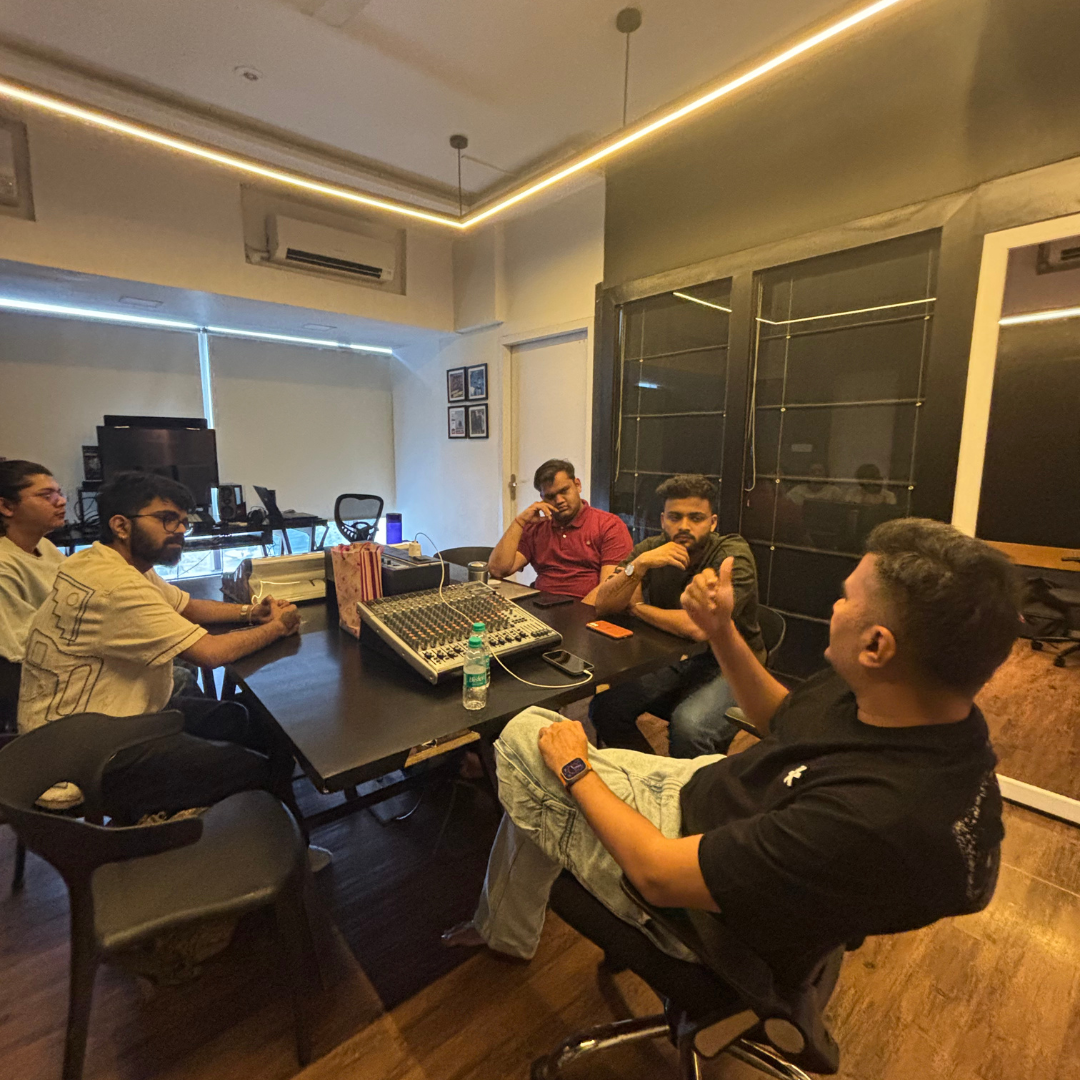
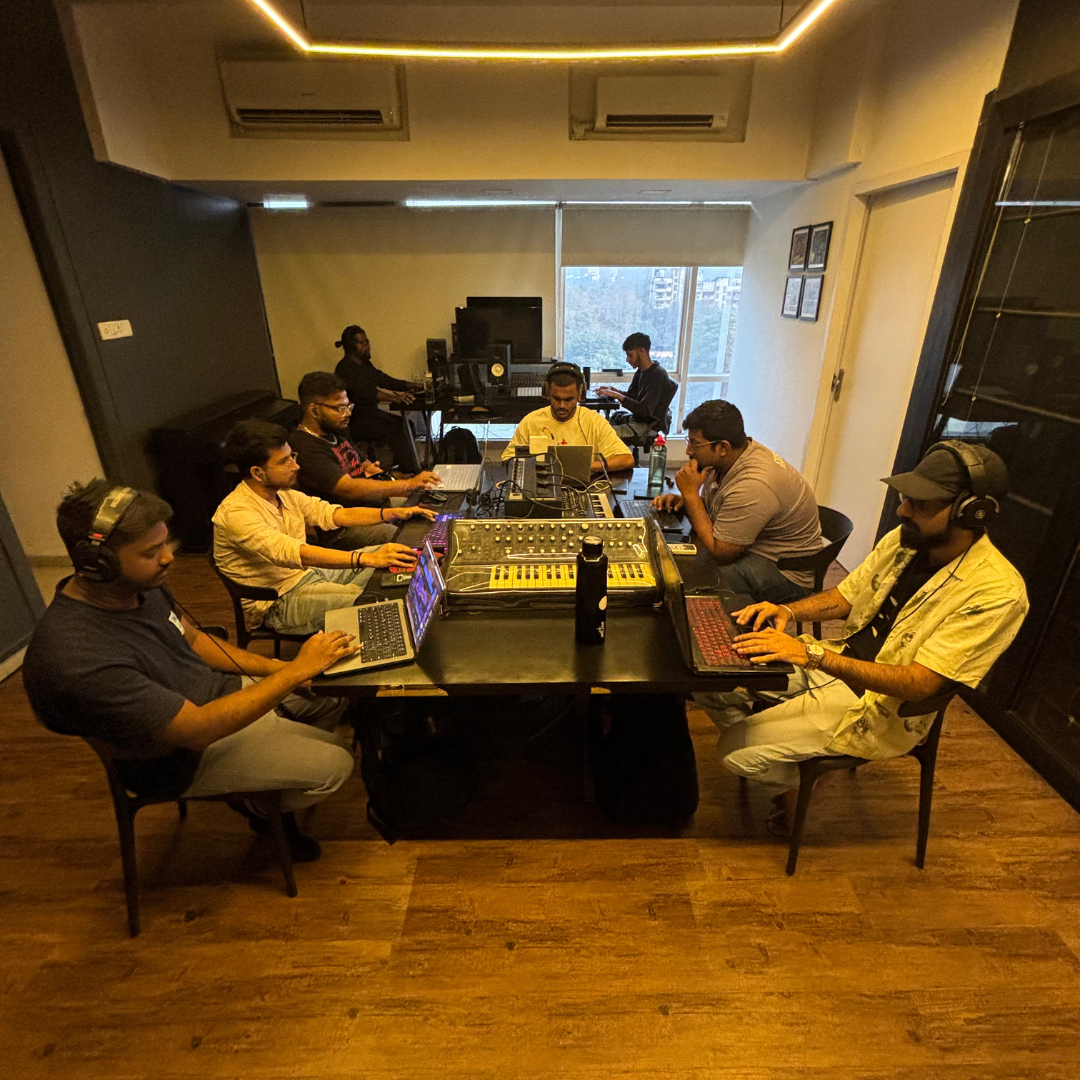
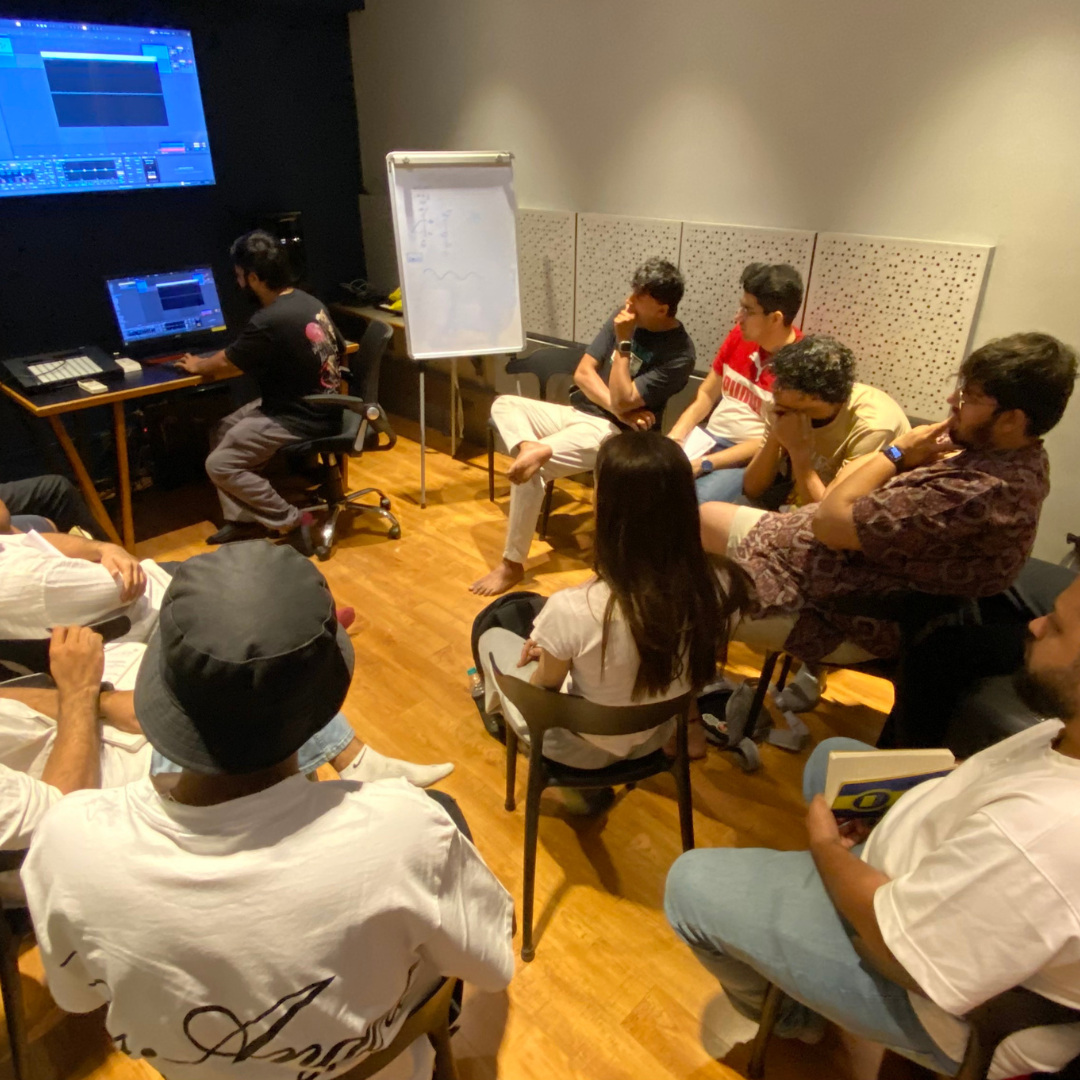
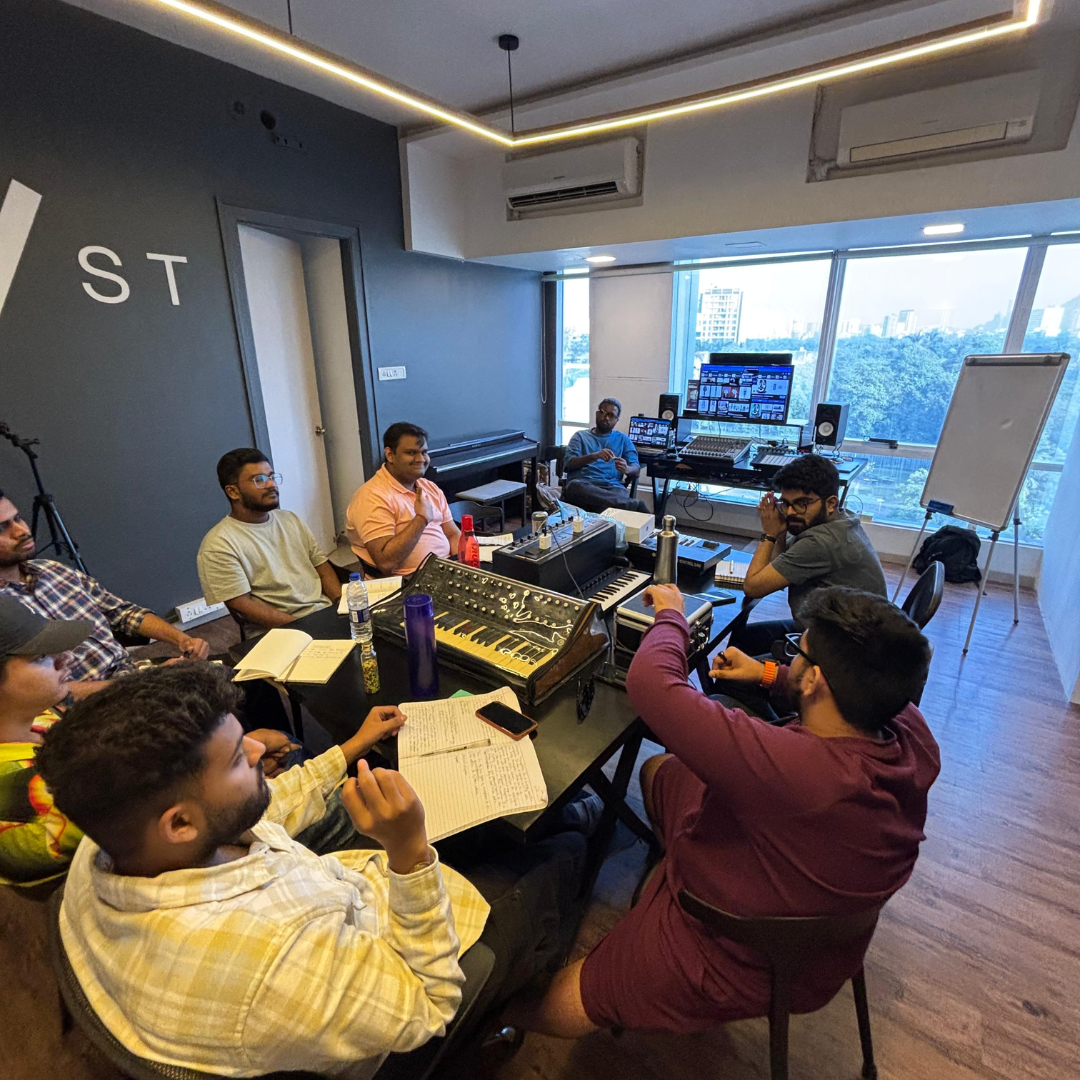
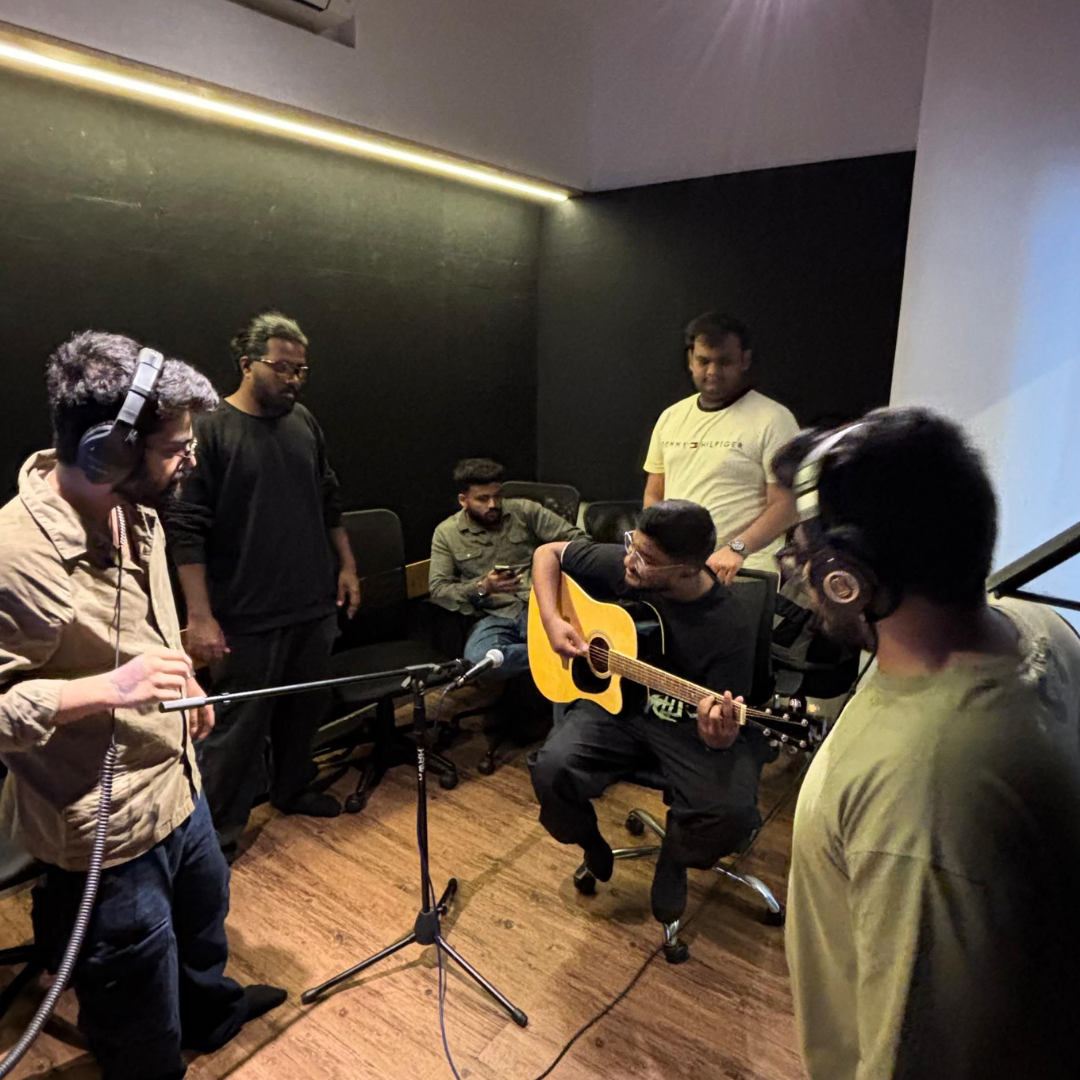
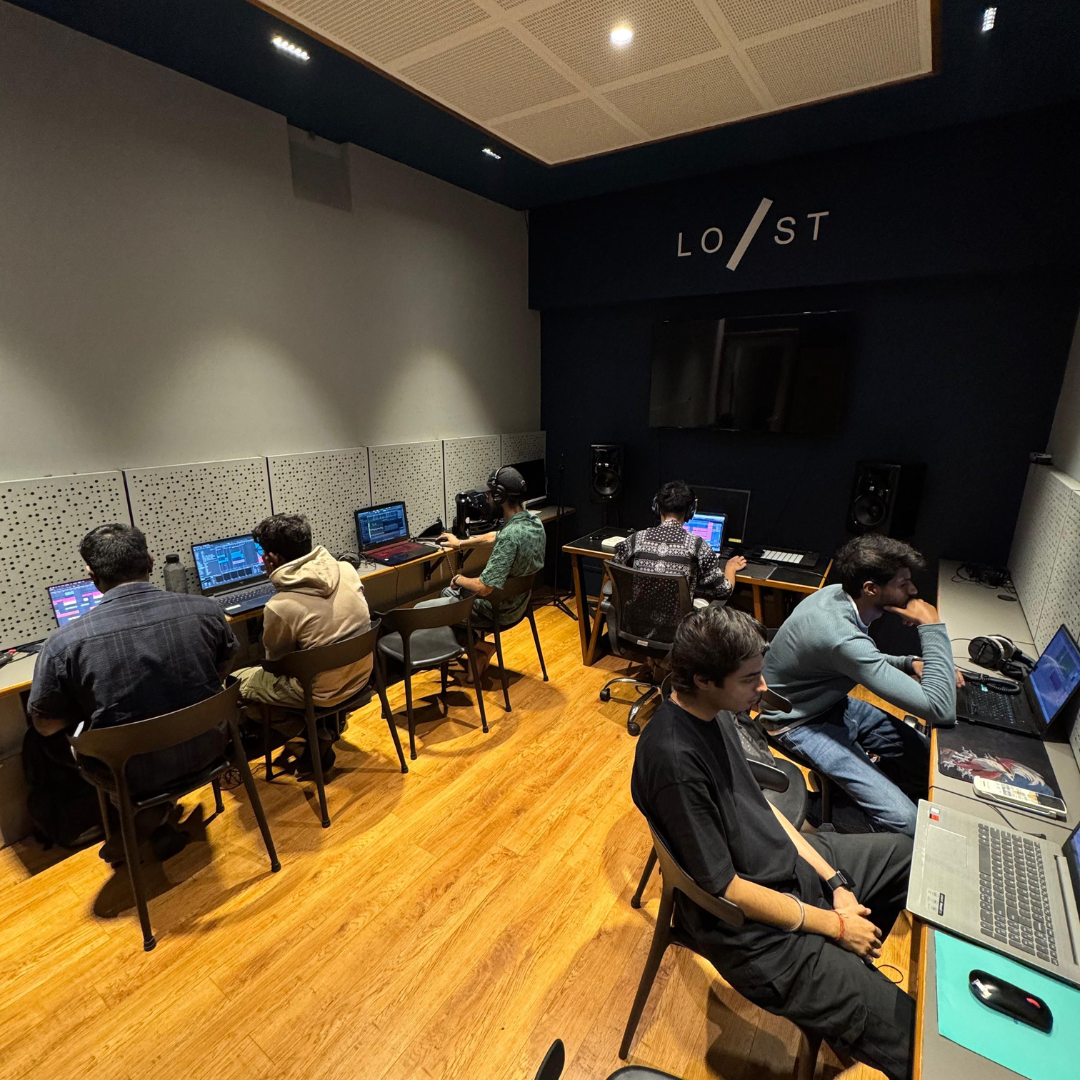
Self-learning can leave gaps. Live training ensures clarity, feedback, and accountability, which is crucial for serious producers.
No cracked software or compromises. Learn using the same tools top artists use worldwide.

Max For Live Complete Integration

Live Performance (Session View)

Advanced Audio & MIDI Effects

Unlimited Audio & MIDI Tracks

Sound Library & Instruments

External Gear Integration
A professional career demands professional tools. Having your own licensed DAW builds confidence, legality, and readiness for real-world work.
Get access to a professional environment to film music videos, shoot DJ sets, create Instagram reels, do photoshoots, or record promotional content - all under one roof.
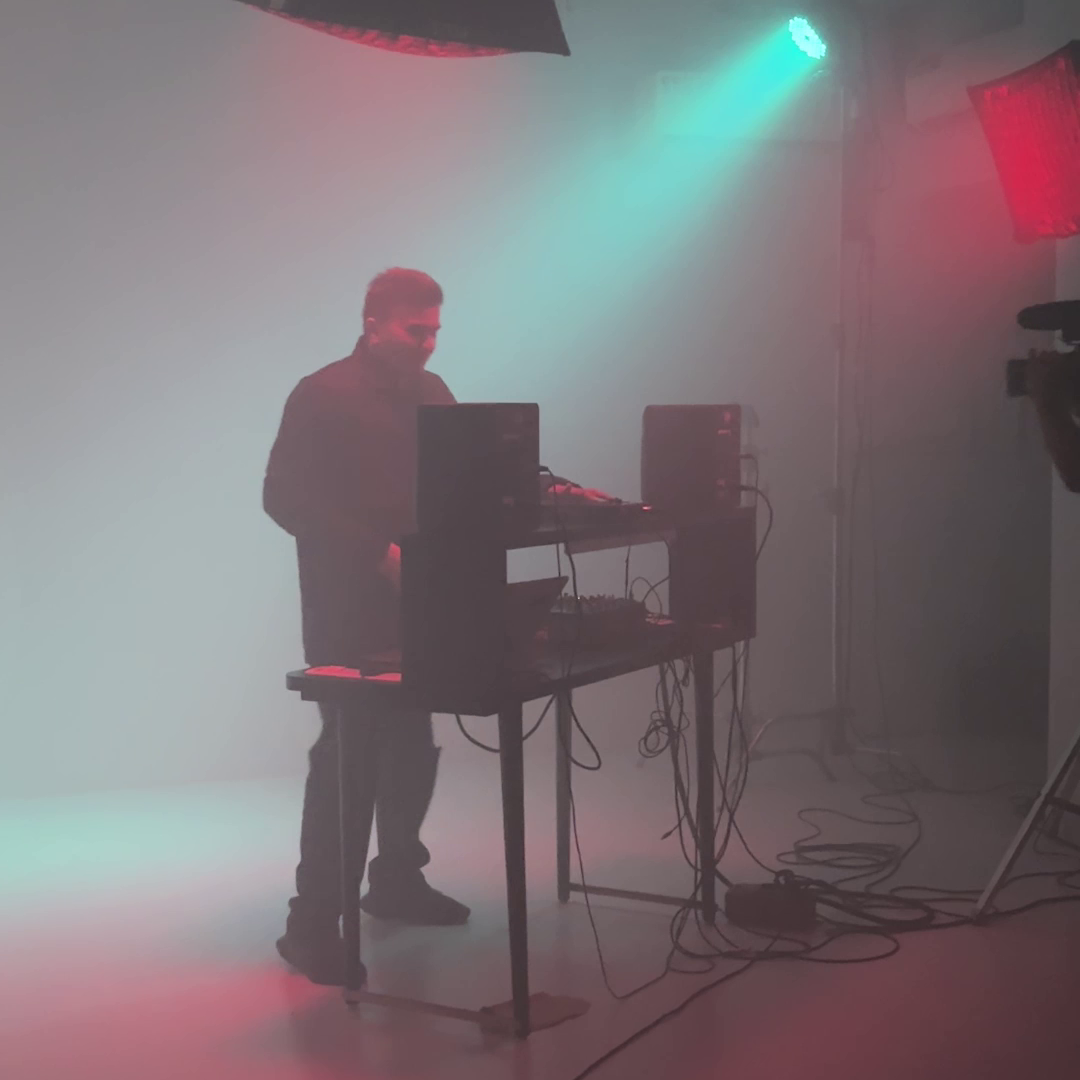
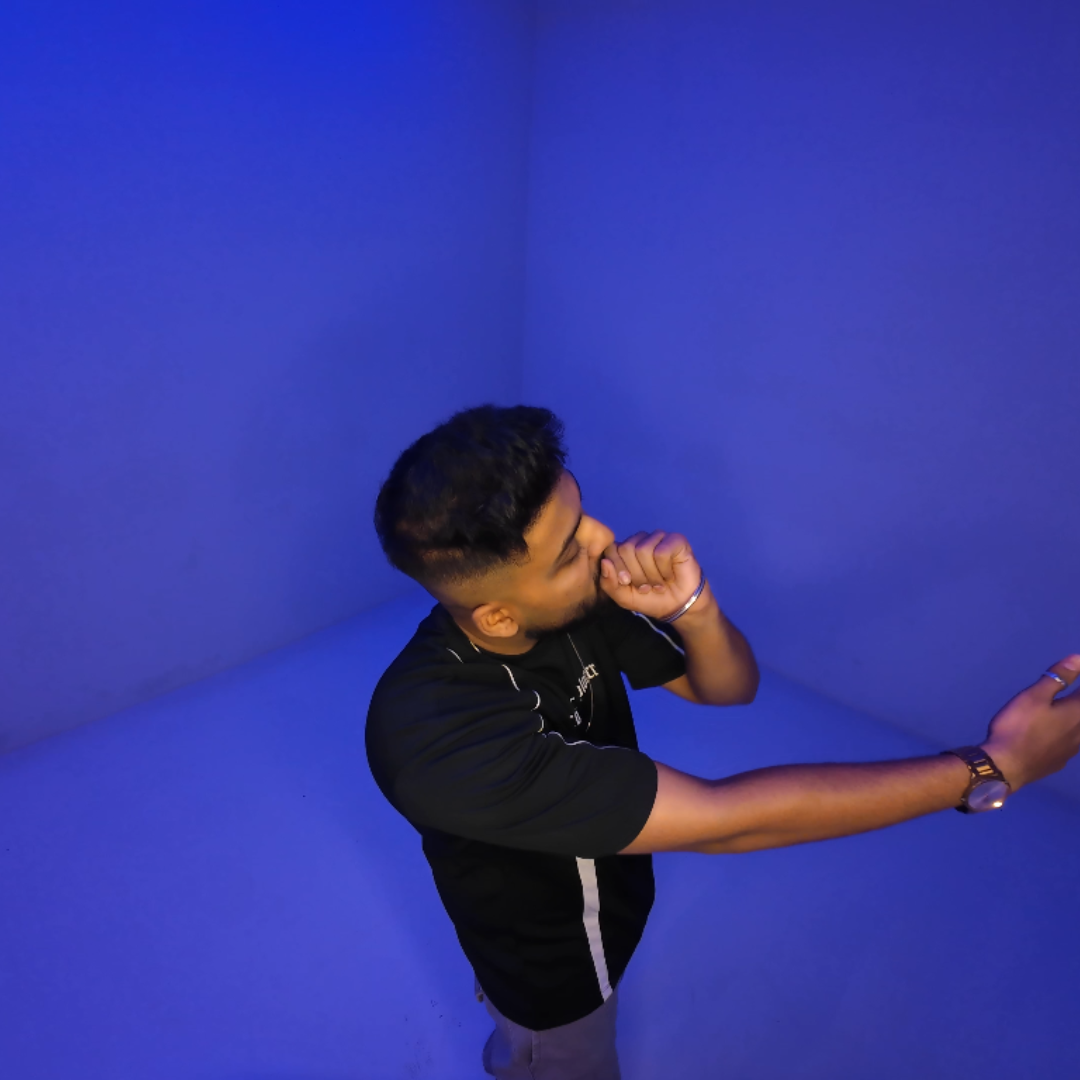
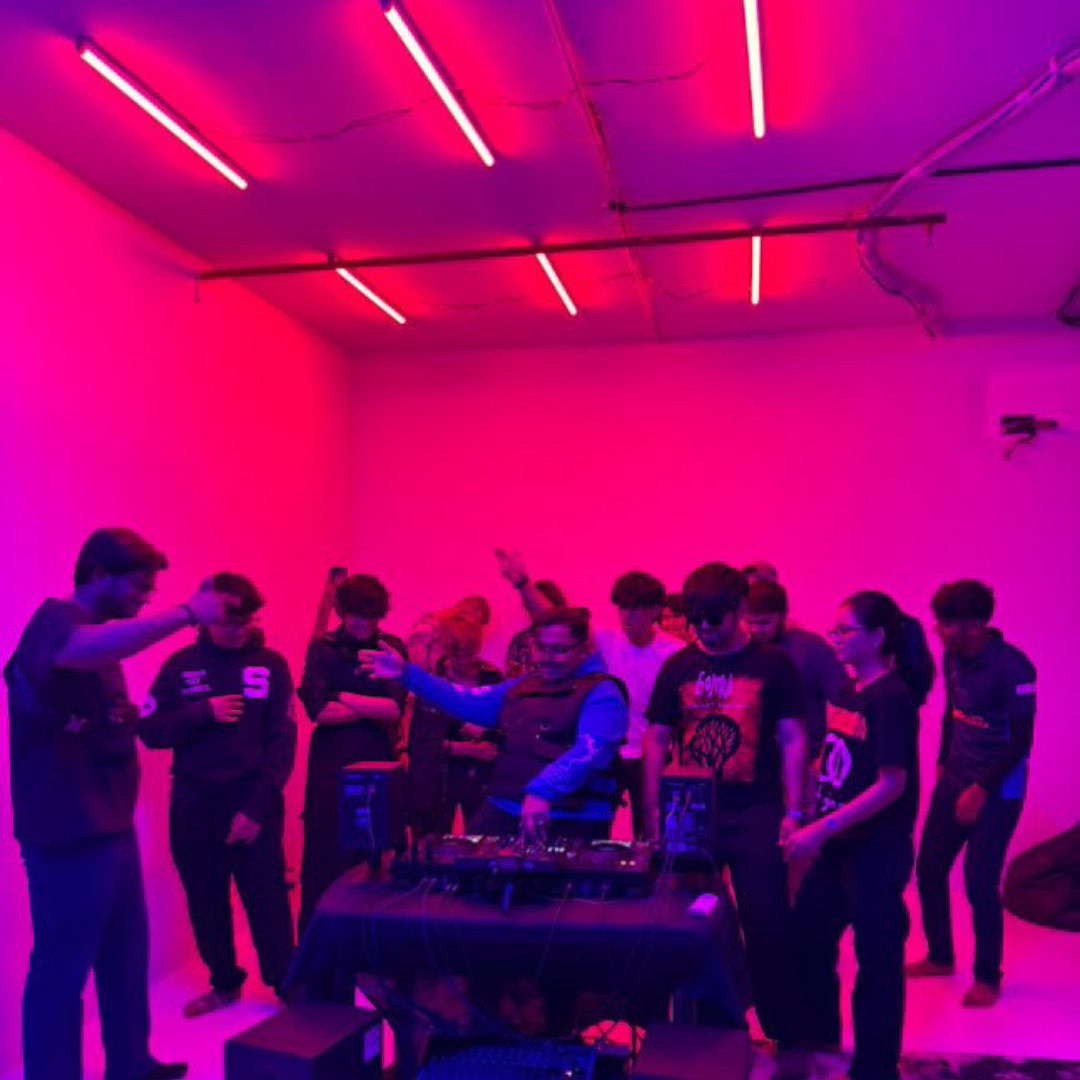
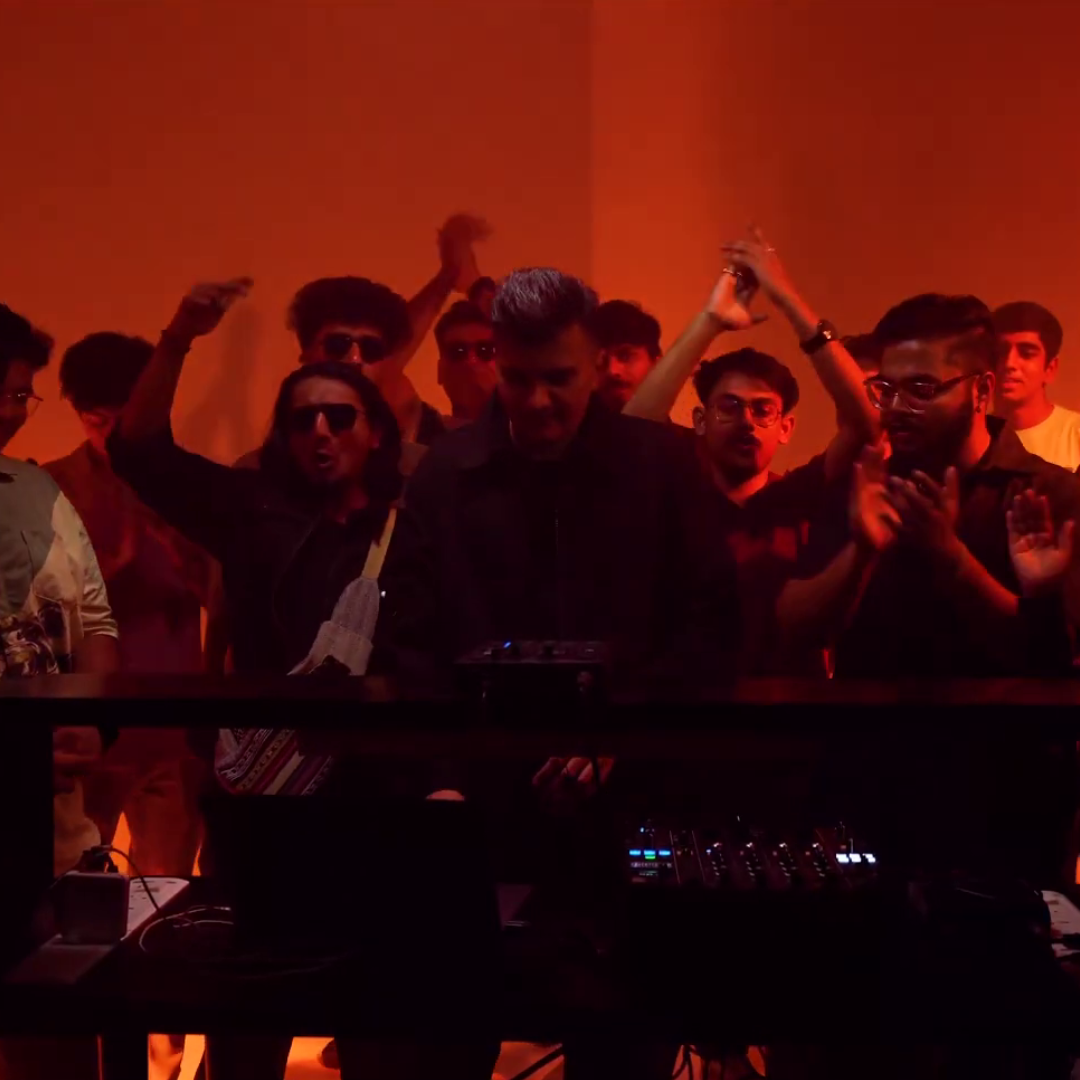

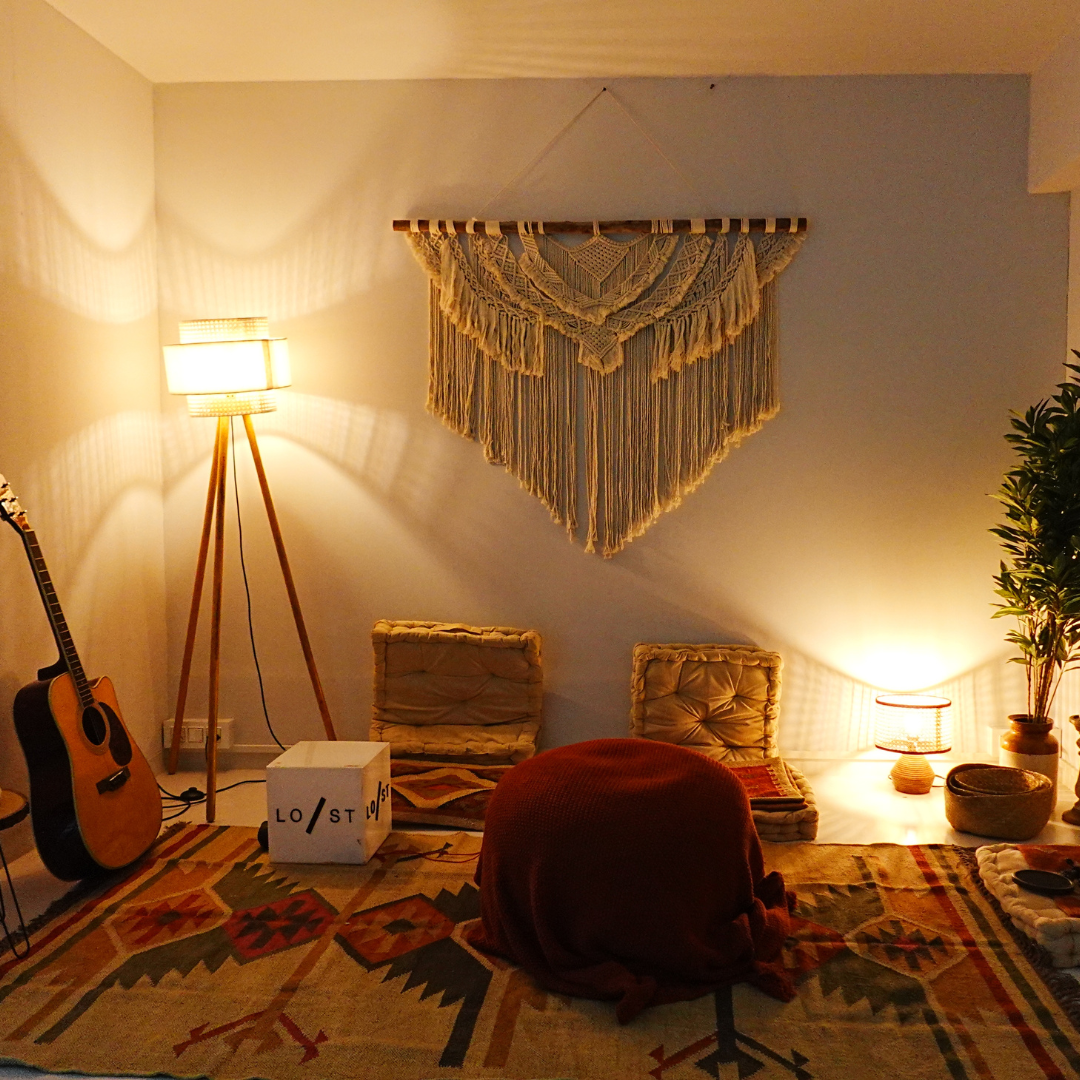
In today’s music industry, talent isn’t enough — visibility is everything. The Content Room helps you build your artist profile by providing the space and tools to create high-quality content that stands out, enabling you to grow your following and attract gigs or collaborations.
Meet labels, artists, managers, and placement companies to kickstart your career beyond the classroom.
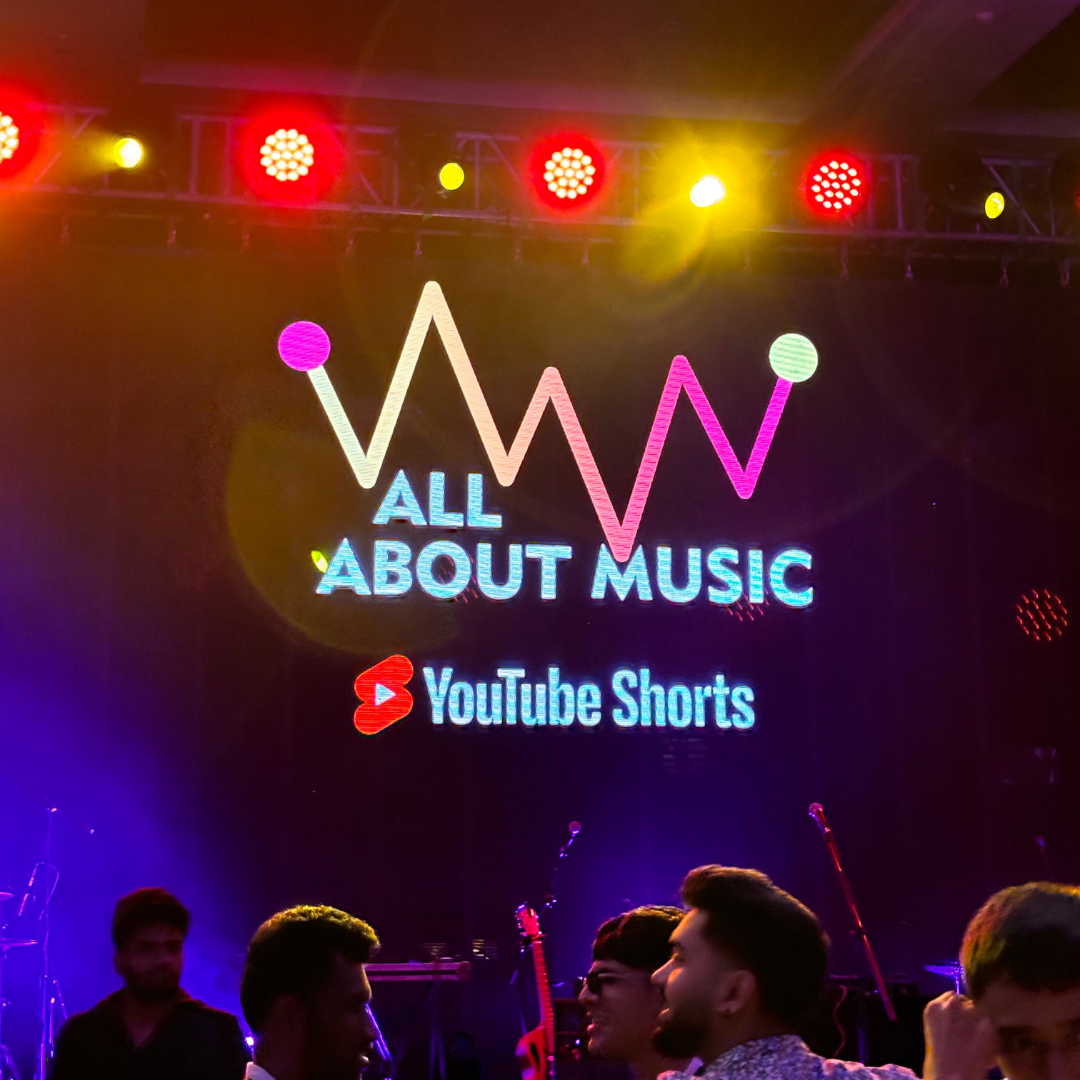
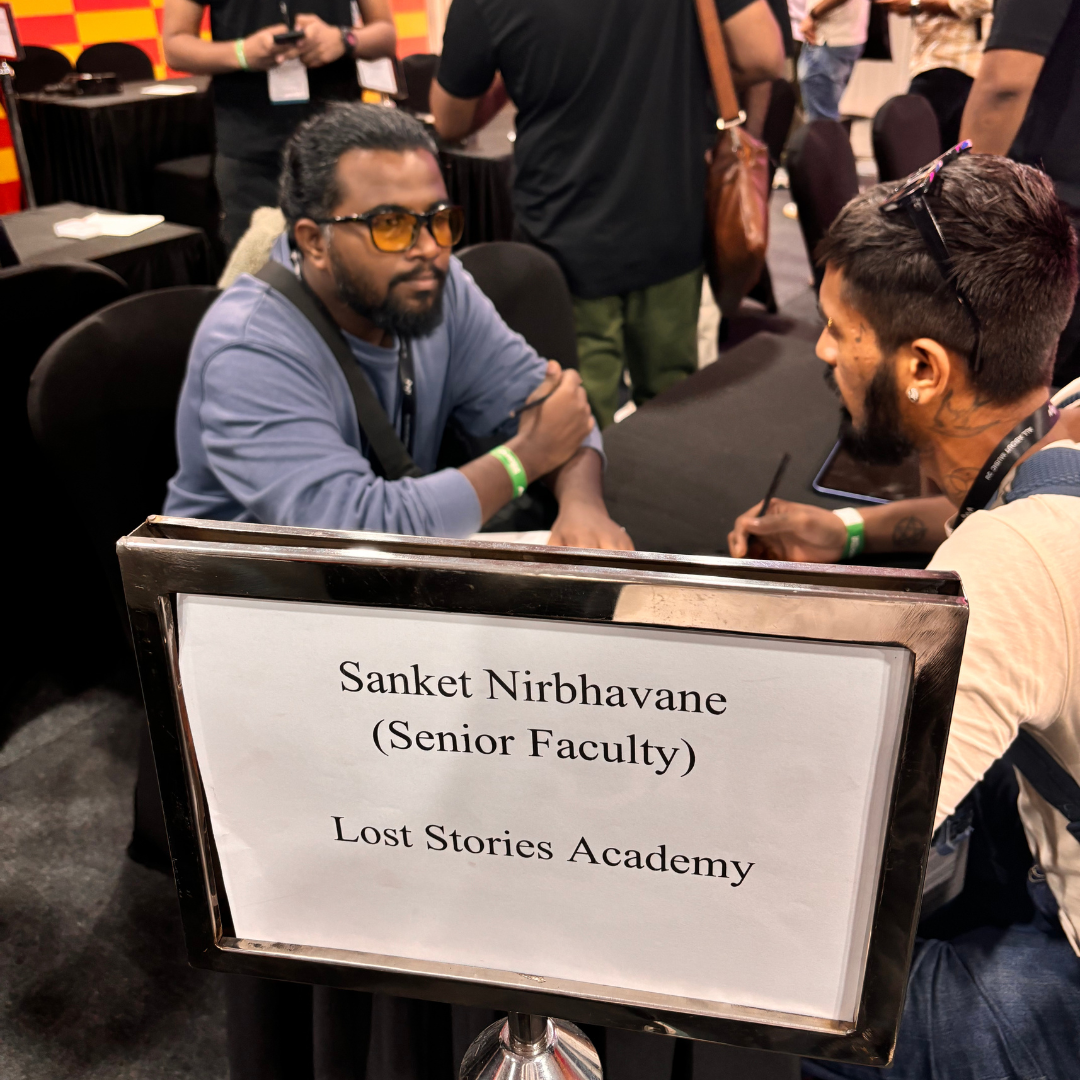
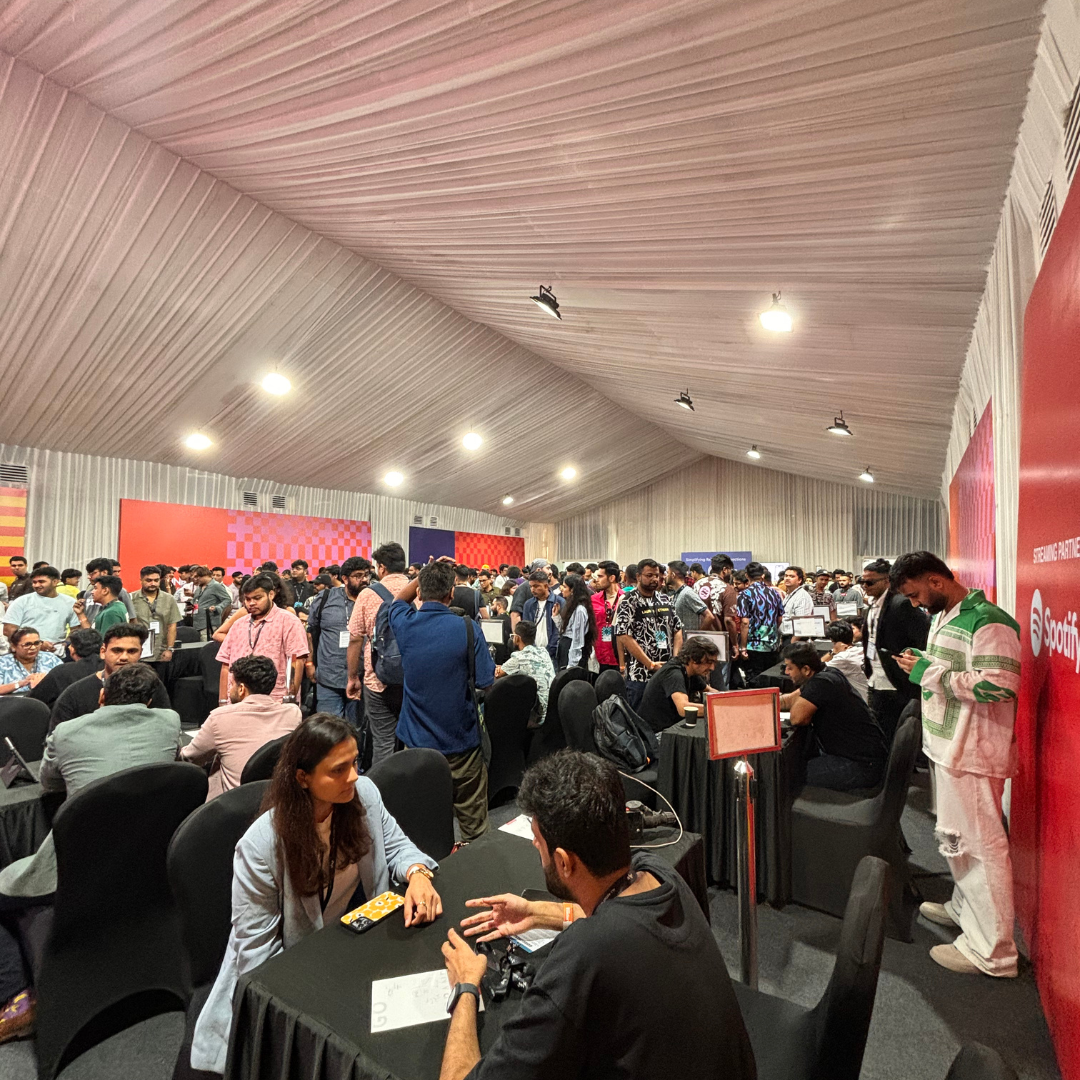
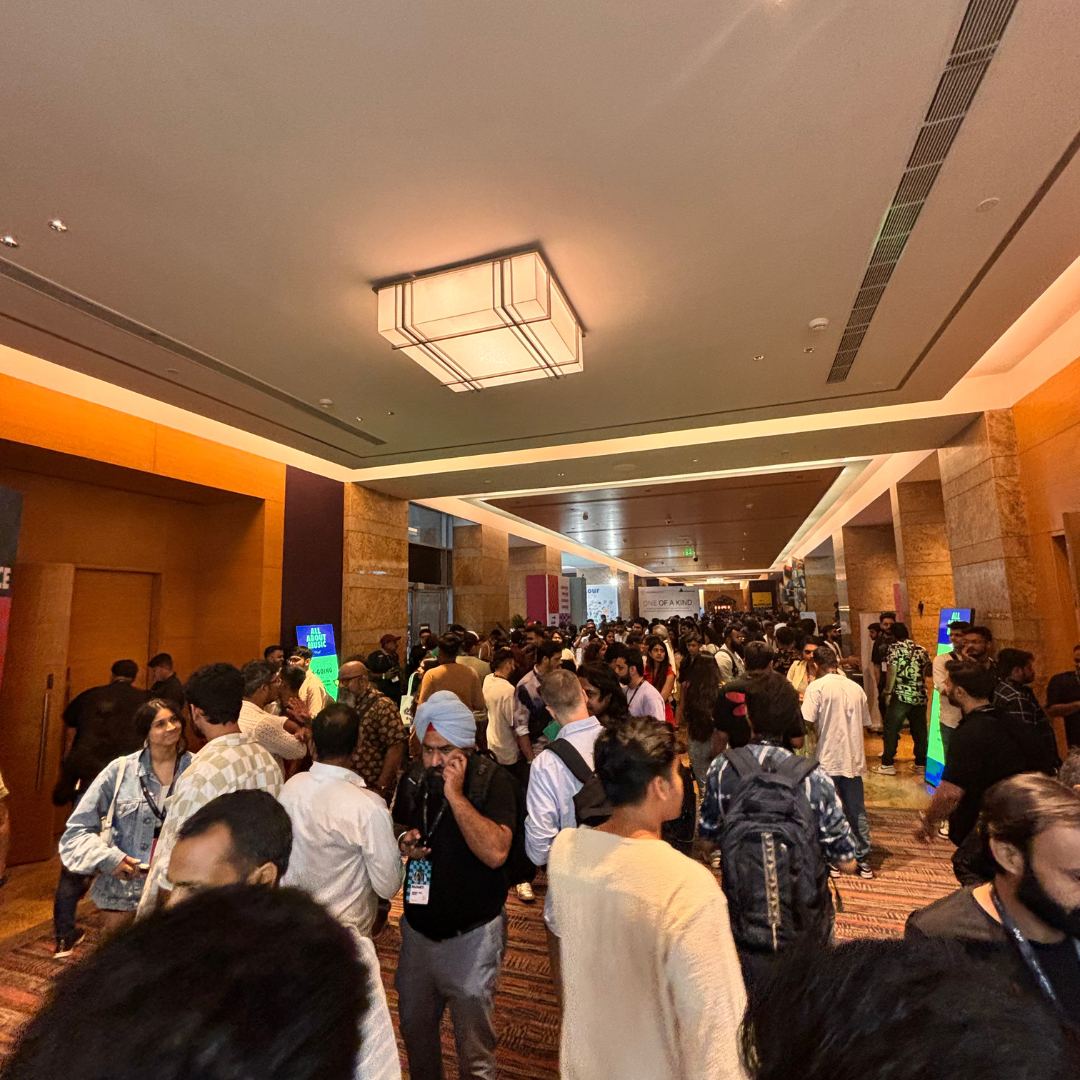
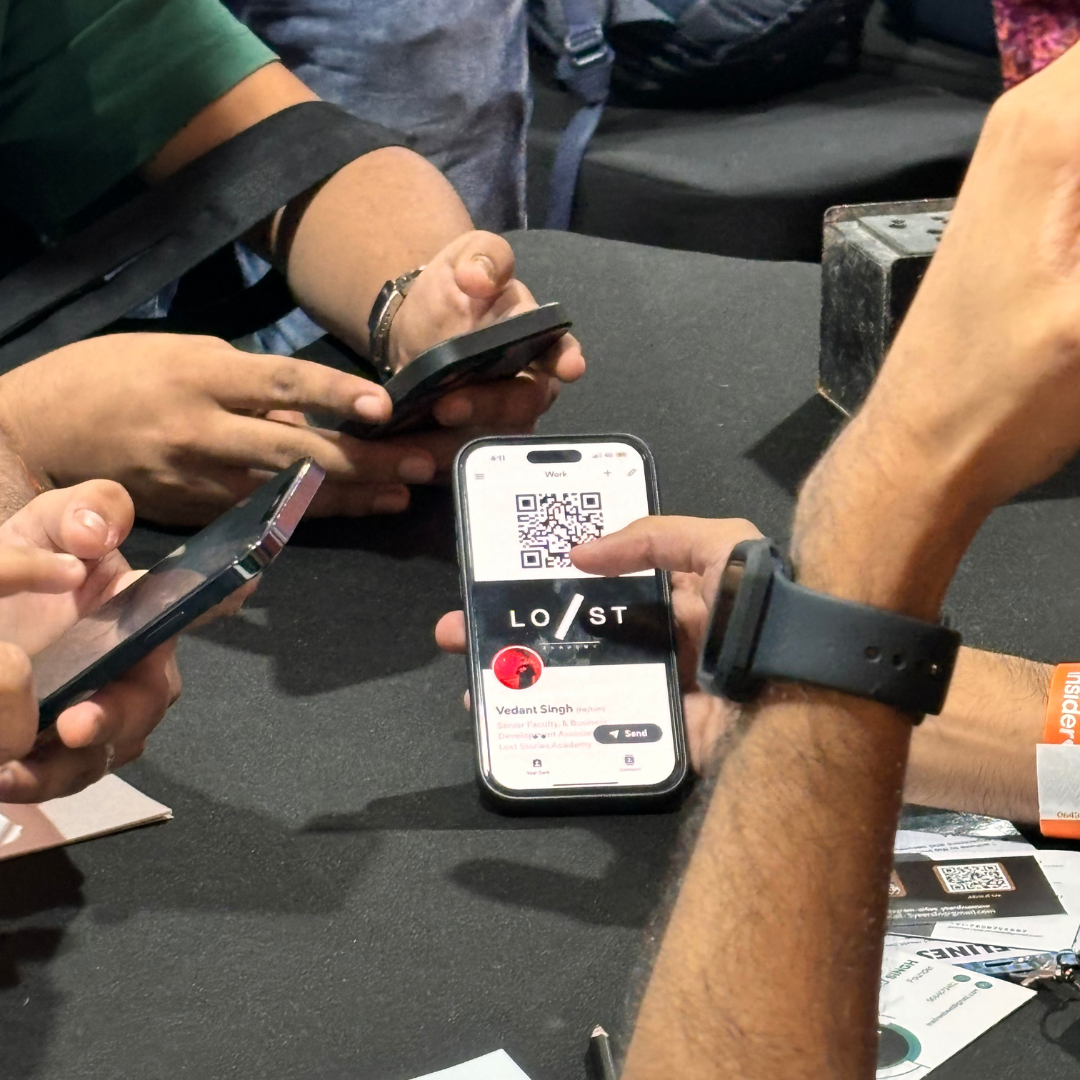
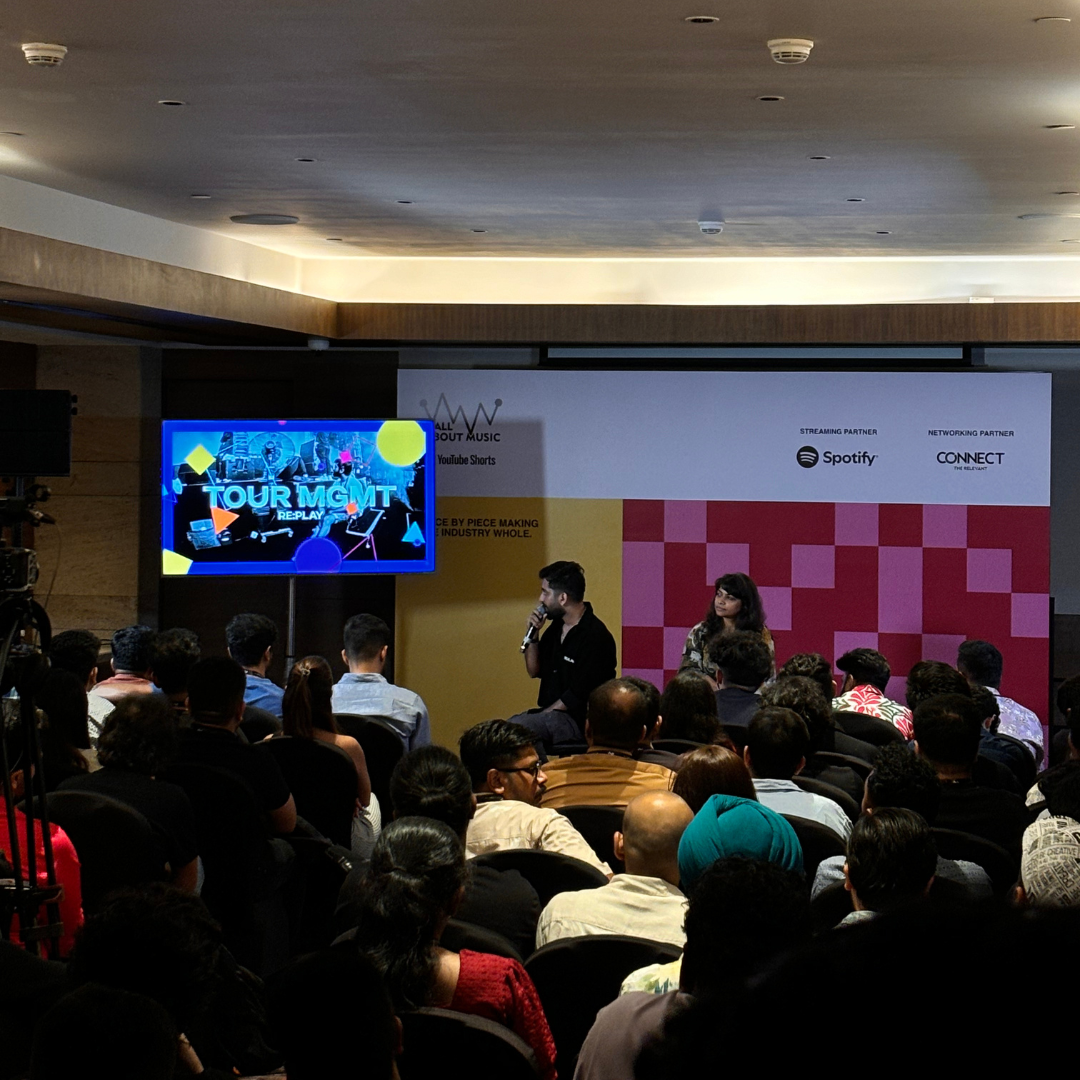
Building a music career isn’t just about skills — it’s also about who you know. Direct access to industry professionals can open real-world opportunities.
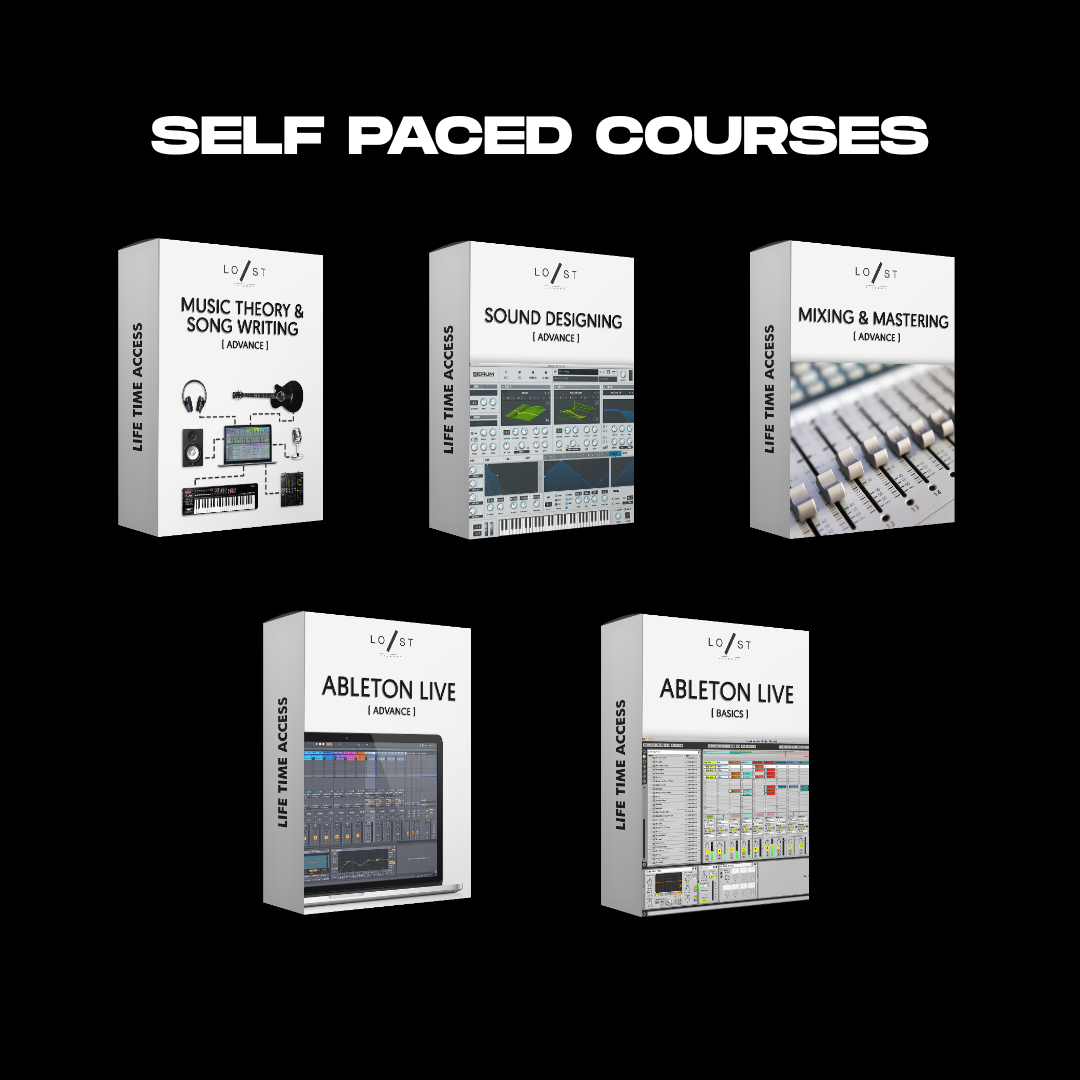
If you miss a live session, you can easily catch up with recorded classes available to watch at your own pace.
Consistency is key in music production. Self-paced access ensures you never miss critical lessons, helping you stay on track with your offline learning, no matter your schedule or situation.
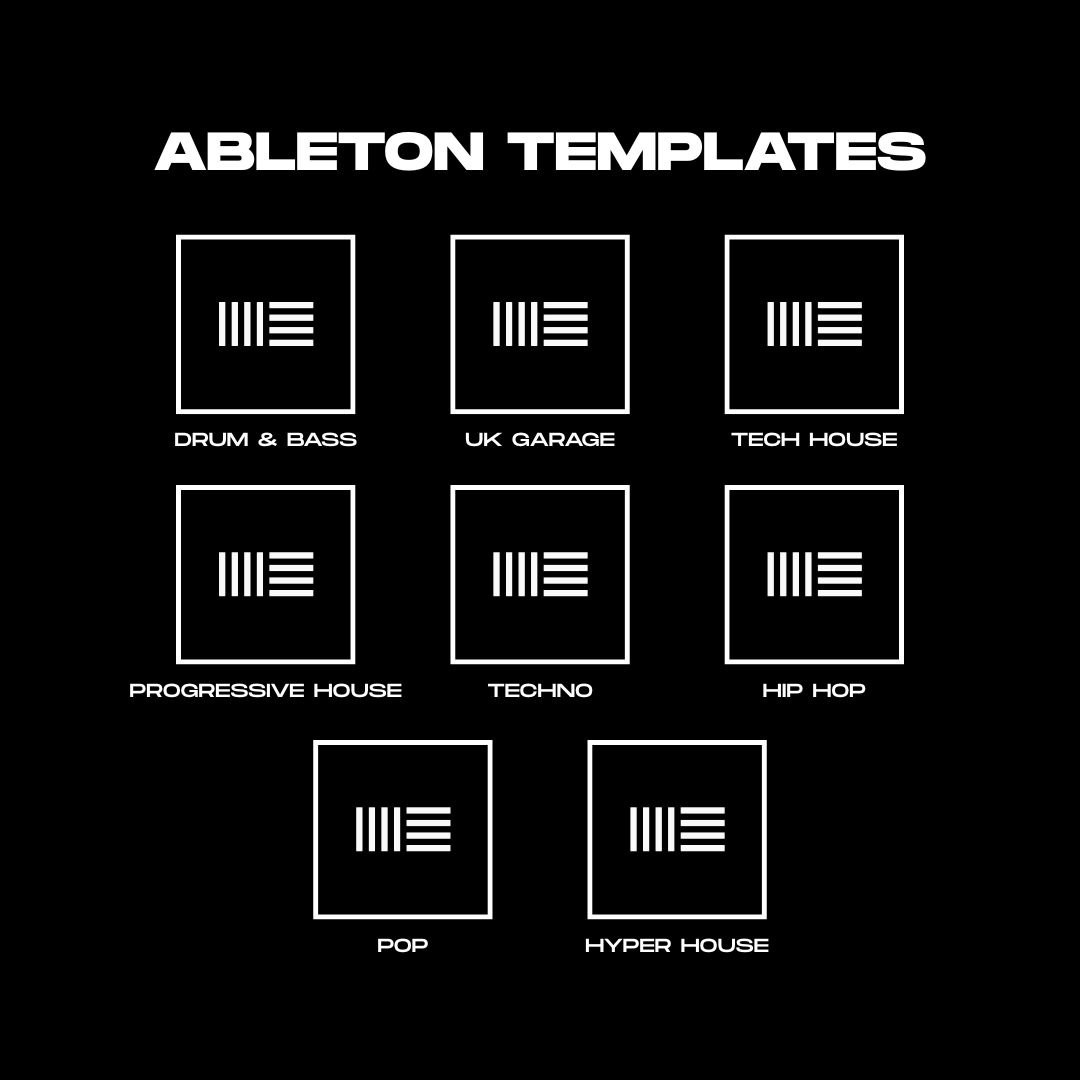
See real project structures, effects chains, and mix settings used by pros. Use exclusive pre-built templates and learn faster.
Reverse-engineering templates is one of the fastest ways to learn workflow, arrangement, and sound design tricks used by professionals.
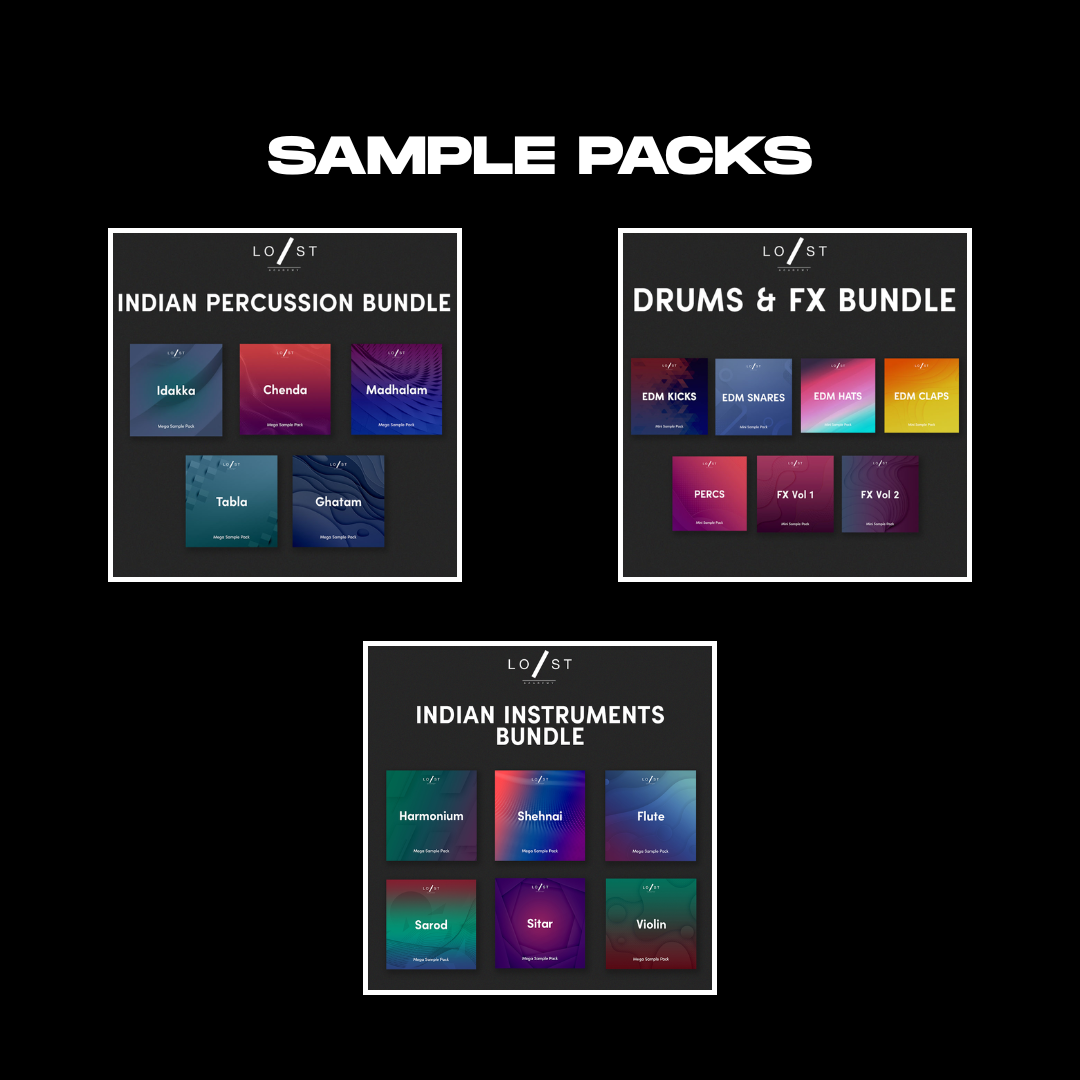
No need to hunt endlessly for samples — begin creating right away with studio-ready sounds.
Good sounds = Good music. Having a trusted sample bank saves time and helps you focus on creativity, not searching.
Join an active community of mentors and peers who support your releases, placements, and growth even after the course ends.

Demo Drop

Track Promotion

Music Placement

LSA Community

LSA Hangouts

Product Workshops
A thriving artist doesn’t grow alone. Continued guidance and shared wins keep your career evolving in the right direction.
Yes. With the right structure and mentorship, you can build a sustainable income through music placements, licensing, gigs, and artist development. Our alumni are proof.
Self-teaching leaves gaps. A structured program like ours connects the dots, gives you accountability, industry access, and a network. You learn faster, avoid costly mistakes, and start earning sooner.
Graduates go on to become Music Producers, Music Composers, Music Arrangers, DJs, Performing Artists, Film Score Composers, Sound Designers, Mixing & Mastering Engineers, Music Directors, Jingle Composers, Live Session Musicians, Music Educators, and Independent Recording Artists.
Upcoming Batch - 1st Oct, 2026 - Mumbai
FREE EDM PRIMER GUIDE
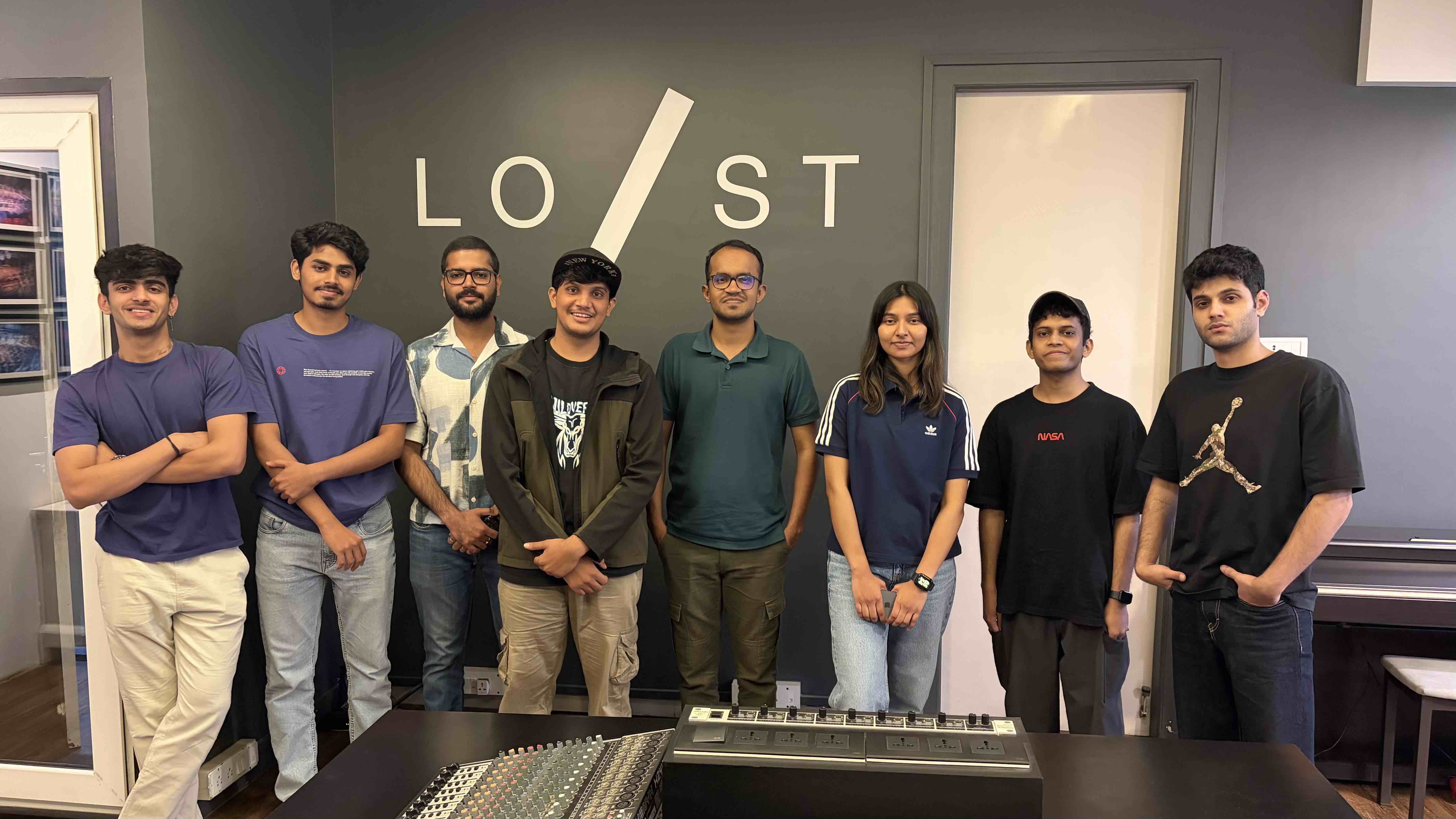
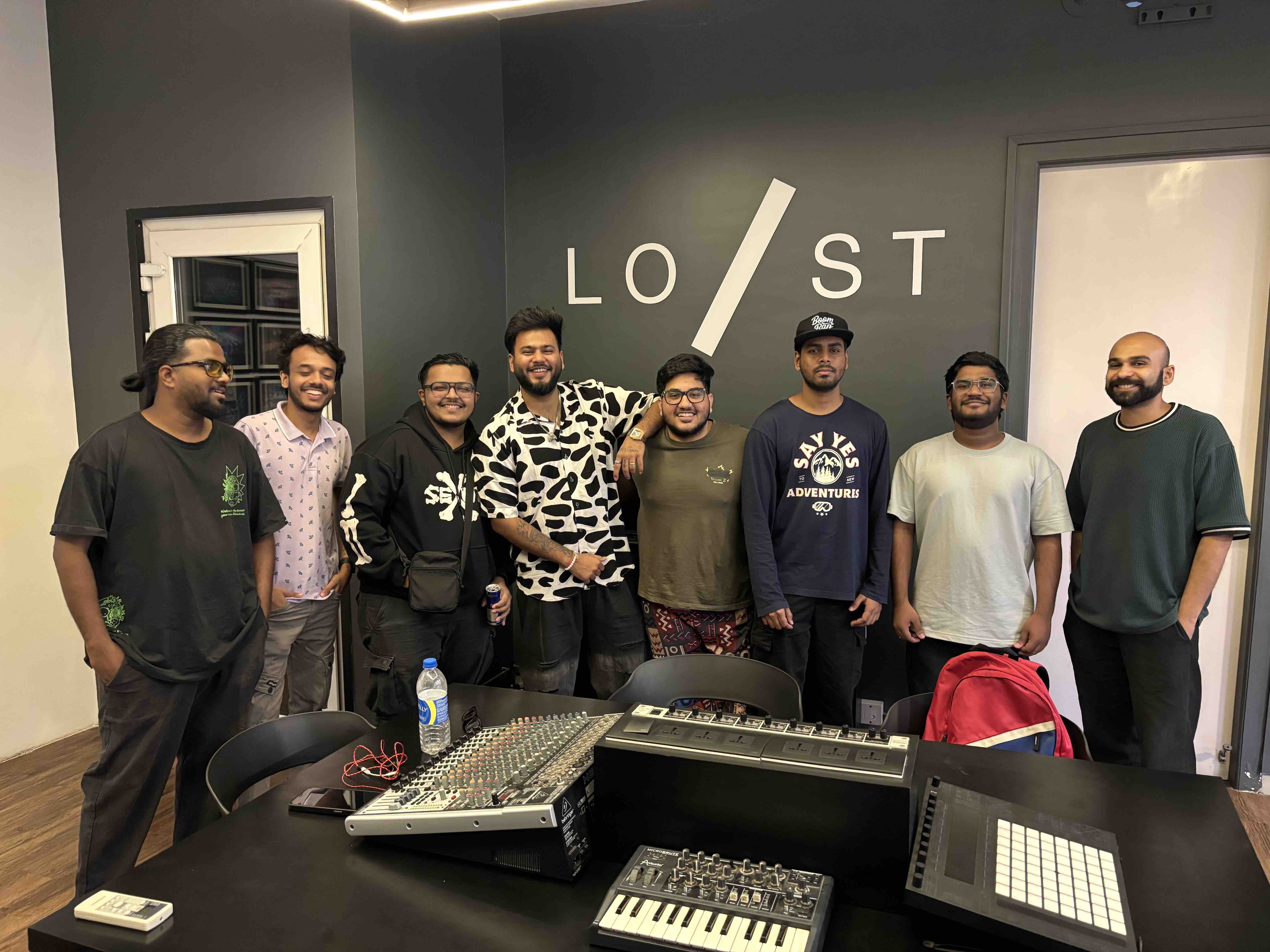
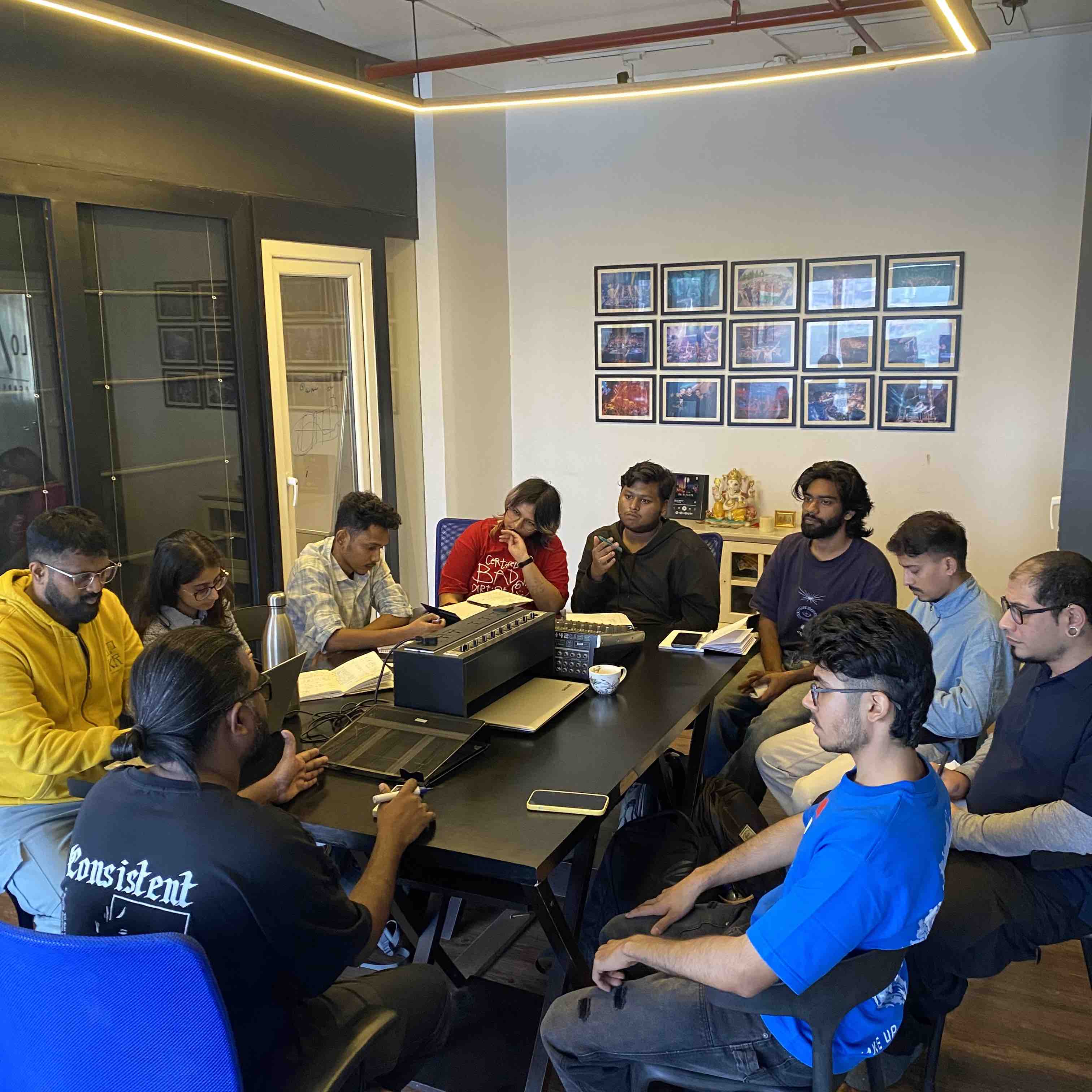
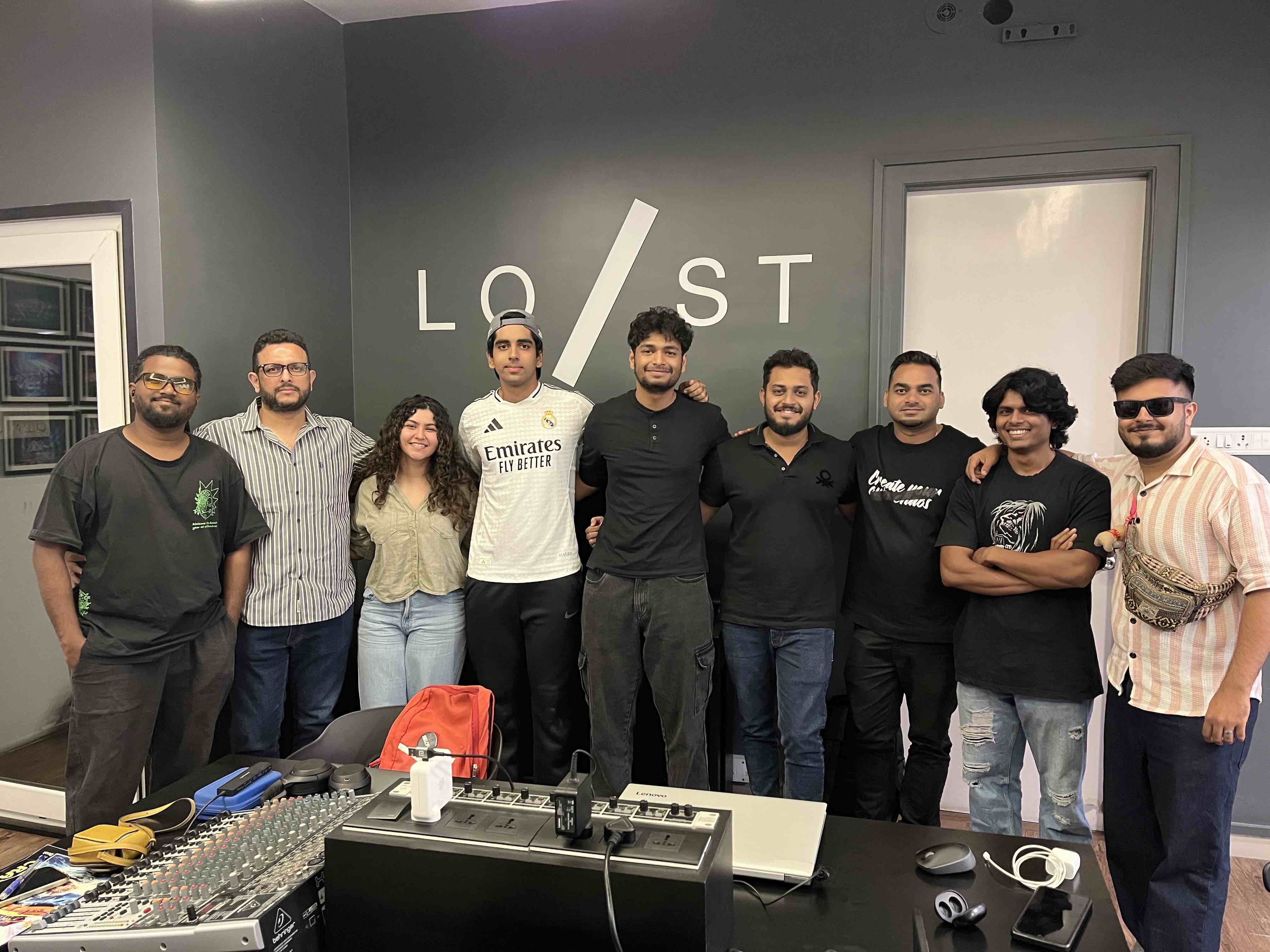
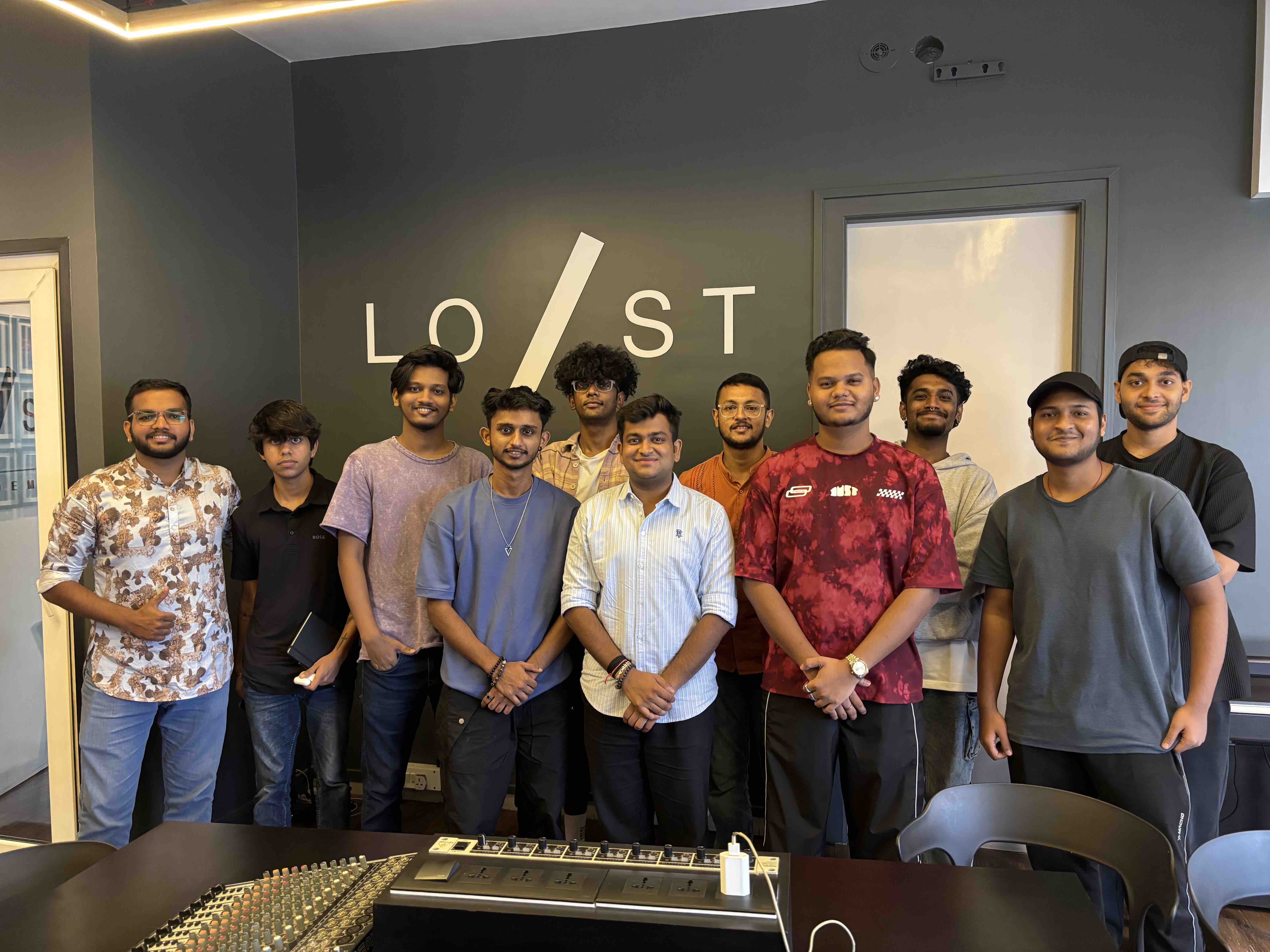
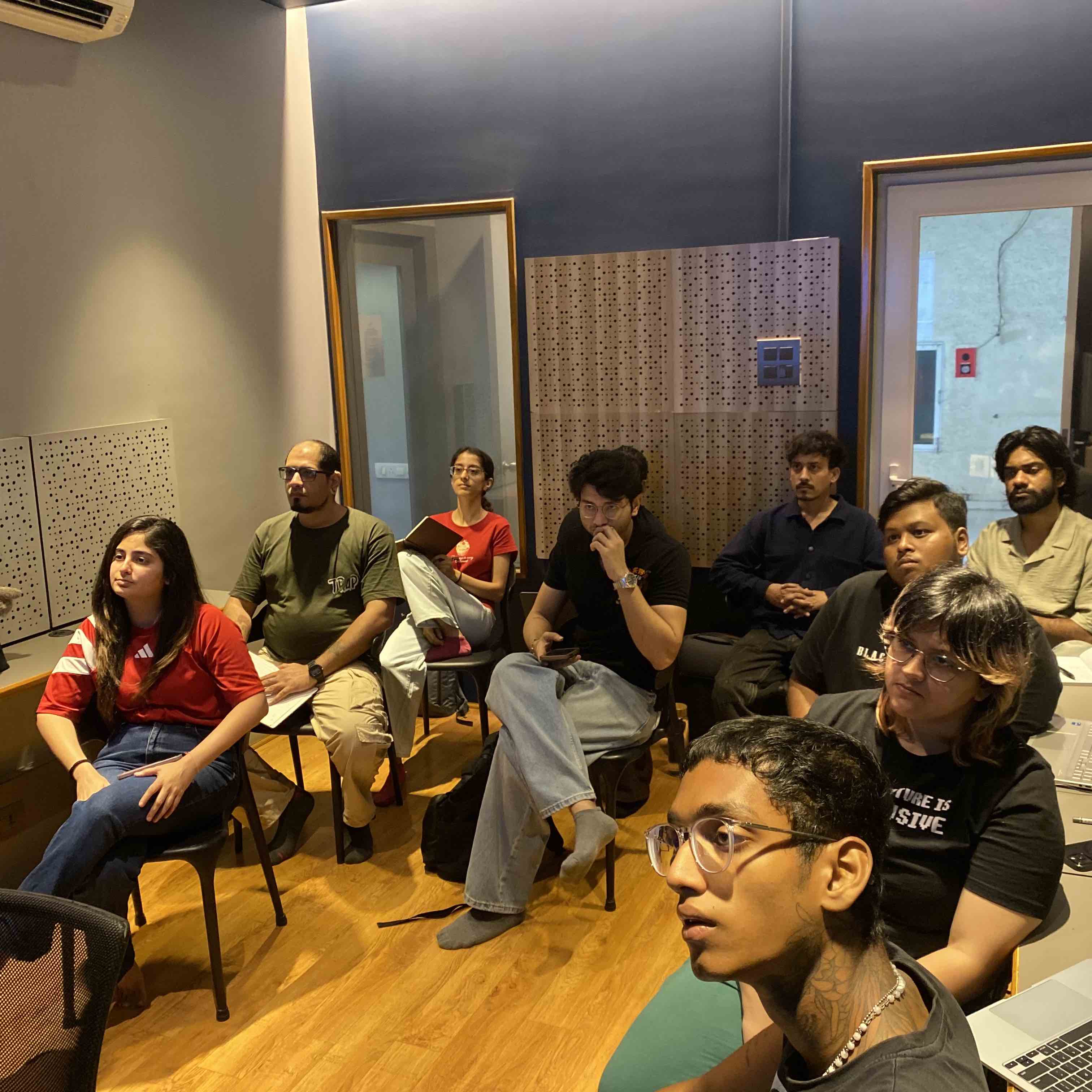
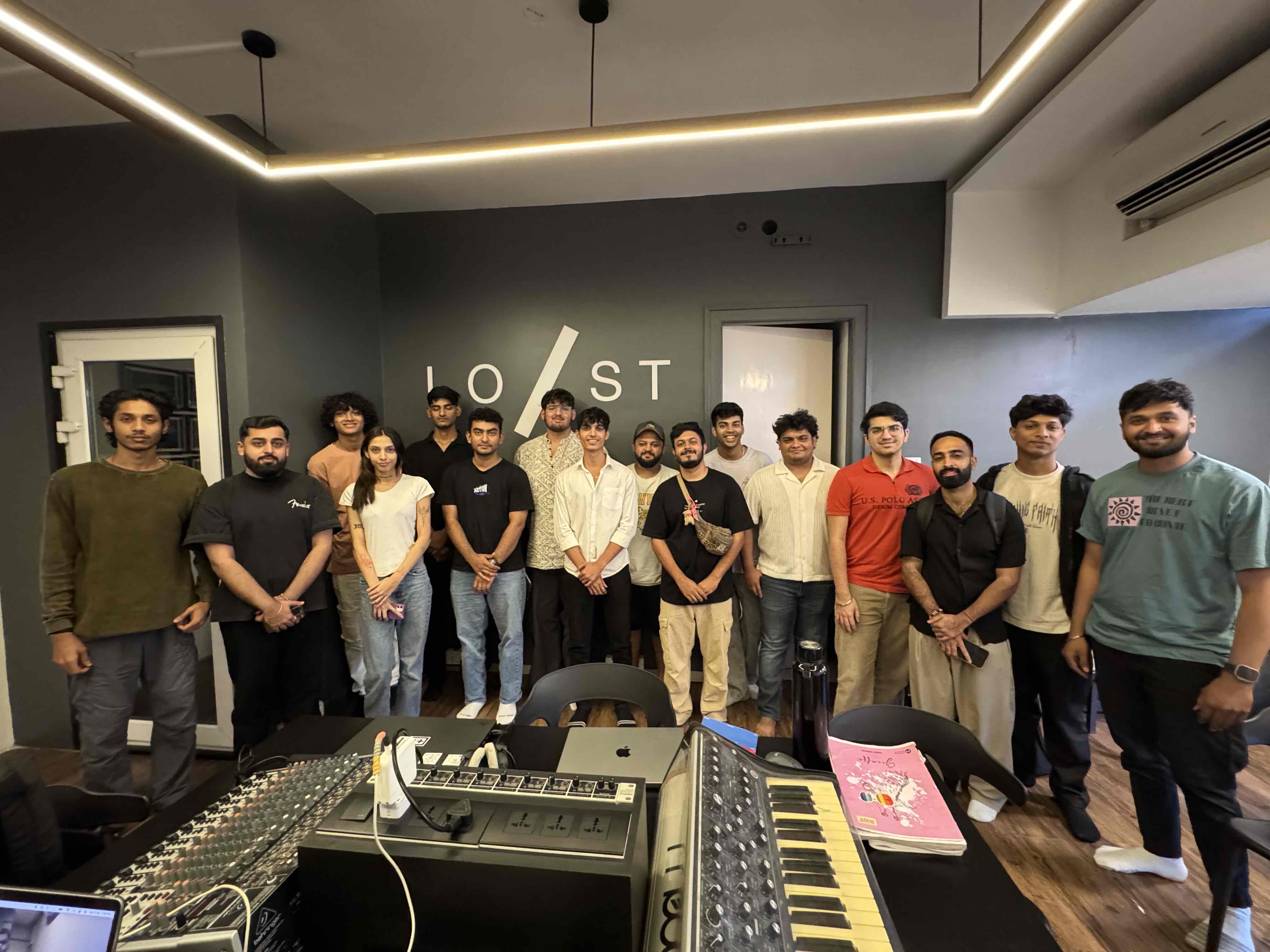
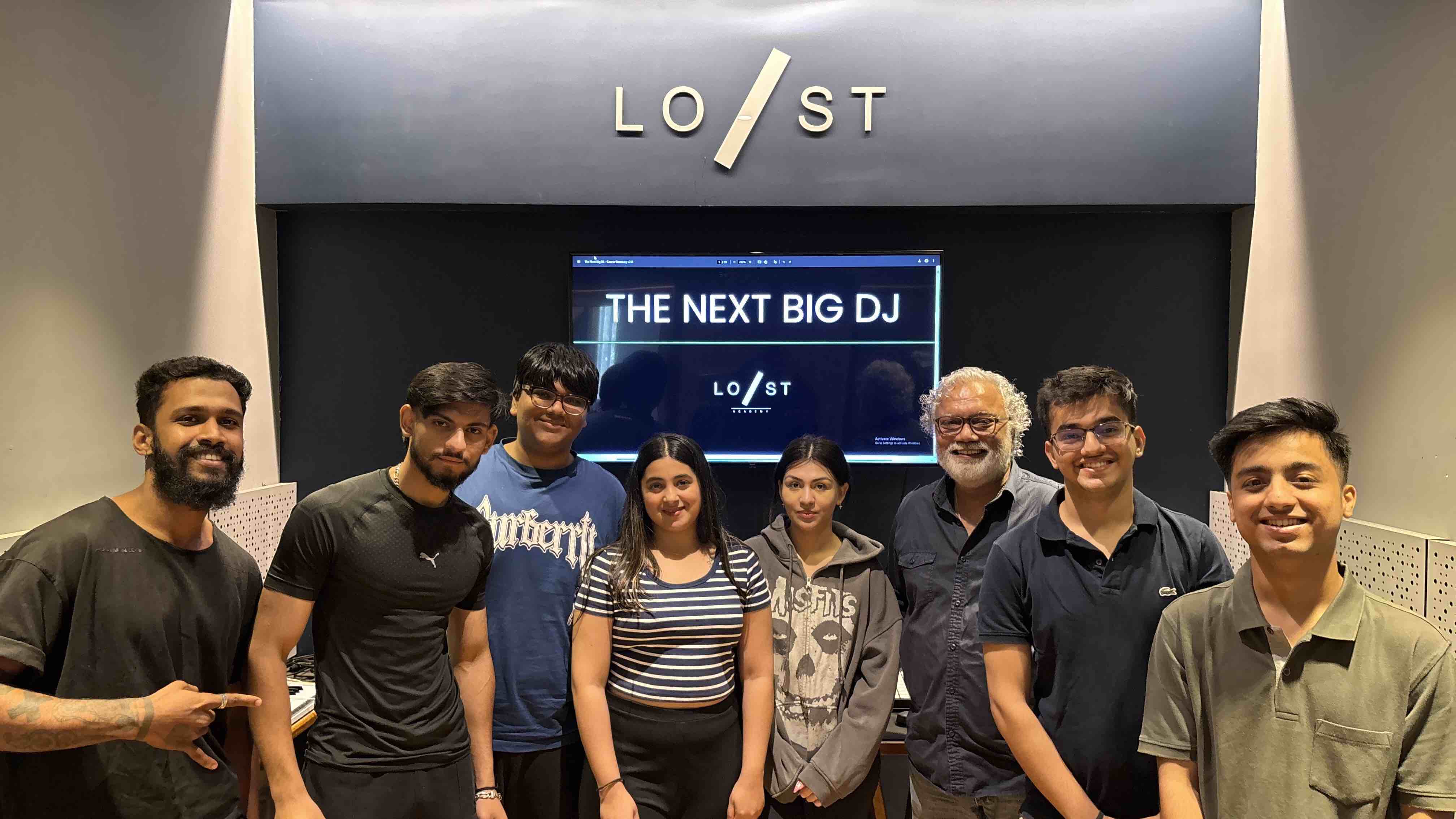
Not textbook professors. Working artists, training India's next wave of music talent.
Hear it from the people who’ve been through it. Their journey started exactly where yours is right now
Originals and remixes by LSA alumni, now streaming everywhere.
Started his own Music Publishing company "Outwrite" with Represent, founded by Aayushman Sinha.
Viniick went from 2000+ to 520,000+ subscribers on YouTube.

Max Kate's latest release was premiered by a contestant at India's Got Latent

Shantanu Gursal joined Warner Music India as part of their A&R team.
Singer & Song-writer featured on season 1 of LSA's Showdown

TRUX produced the theme song for Bade Miyan Chote Miyan, starring Tiger Shroff and Akshay Kumar.
Lost Stories Academy gave me the foundation, the mindset, and the push to take my sound global—this milestone is just the start.

Srikanth Vemula won at the WAVES Summit for his standout big room EDM production.
They taught me how to tell stories with music and the room responded.
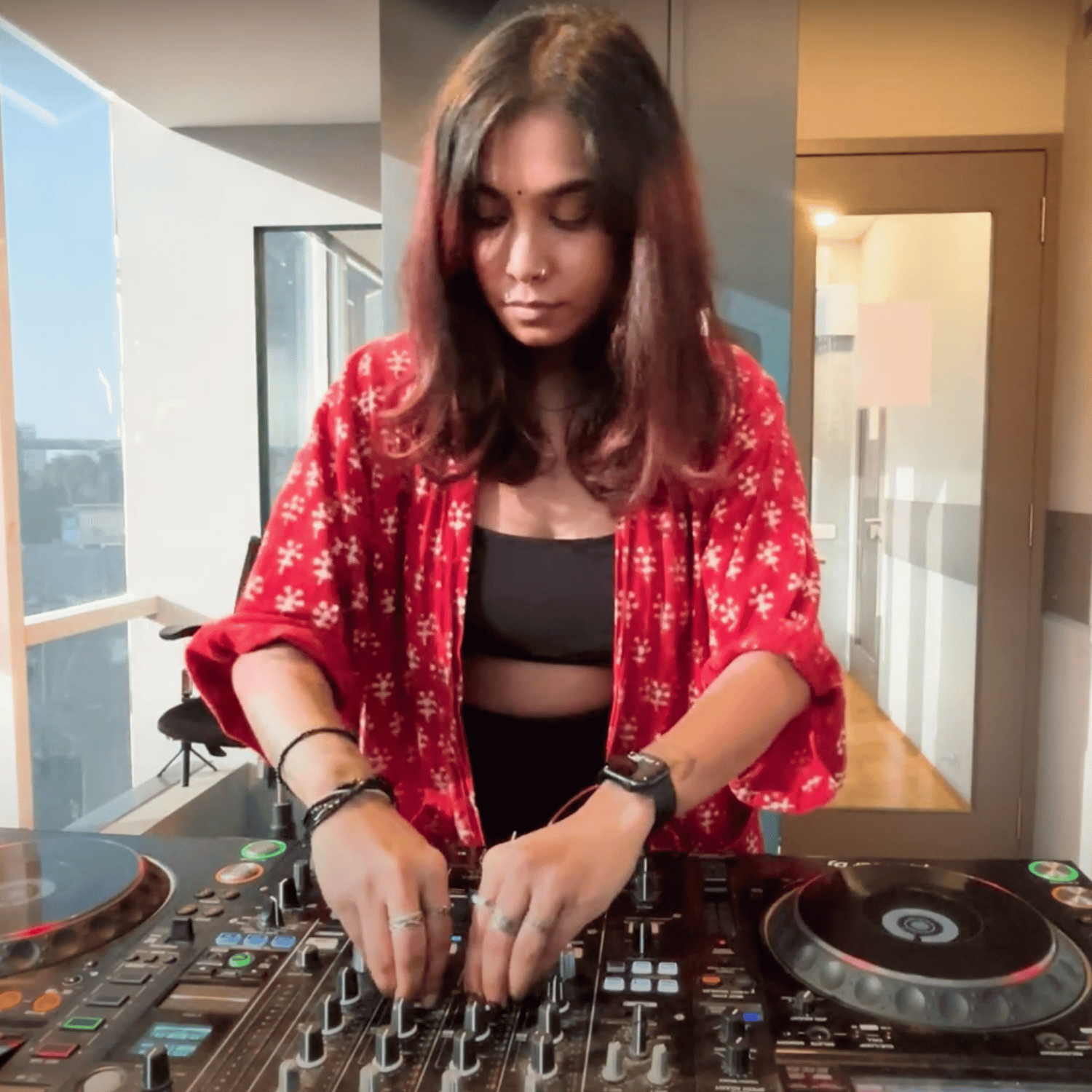
Lost Stories Academy gave me exactly what I needed- hands-on training and real-world exposure.

LSA helped me in Landing a job and made 4 lacs in a year
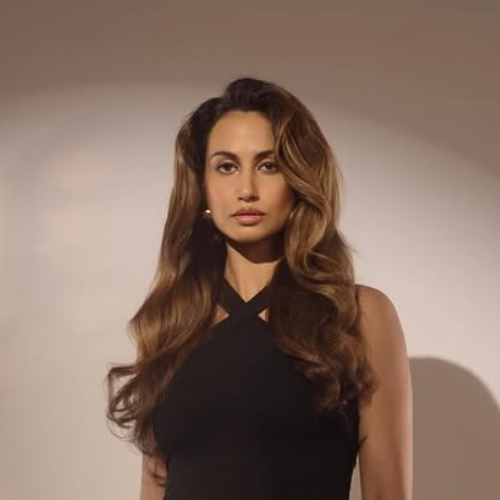
I had zero DJ experience. I got my First gig within 3 Months.

ARNAV opened for Hardwell on the mainstage at Sunburn Goa 2023 after winning the National Beatquest Competition by Croma.

Crossed 5M streams independently. The LSA framework made it possible.

Beyounger released “With You” on TRAPCITY, reaching an audience of 14M+ subscribers on YouTube.

Exbow won the official remix competition for Martin Garrix’s “Won’t Let You Go,” hosted by STMPD Records.

Kimeraa opened for DJ LEVI, performing alongside the renowned artist at a live show.
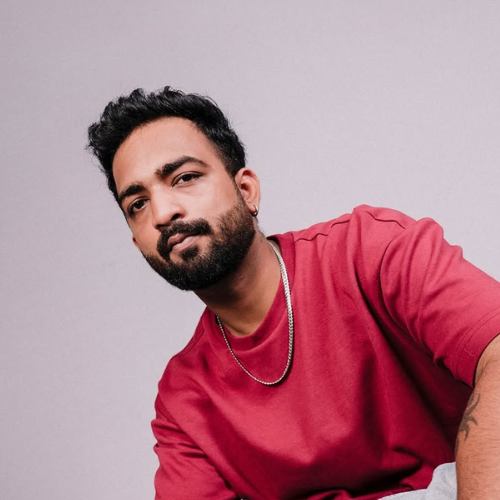
KORDENE performed at NH7 Weekender’s After Mood Festival.
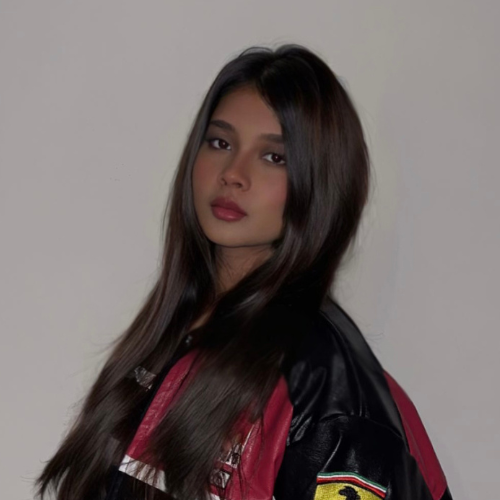
My experience was great, I loved how much depth and attention to detail the classes had.
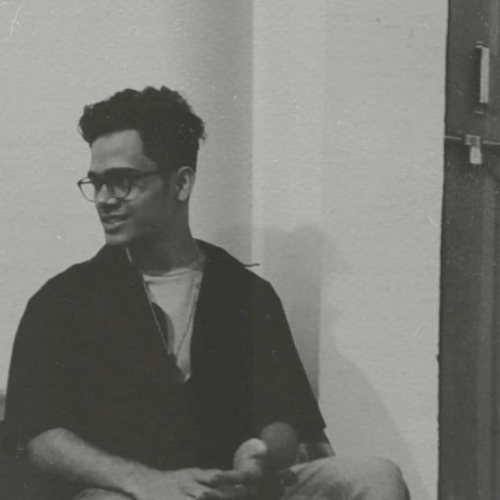
I got my first placement with Red Bull within 2 months of joining LSA. The industry mentors here opened doors I didn't know existed.
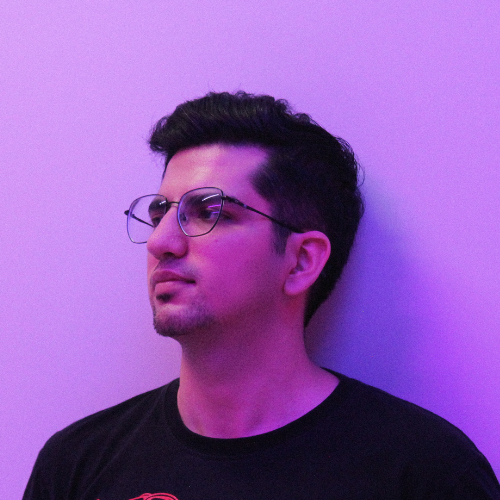
LSA helped me build both my sound and my brand.

LSA gave me more than skills. it gave me the confidence to show up, speak up, and actually go after opportunities I used to hesitate on.
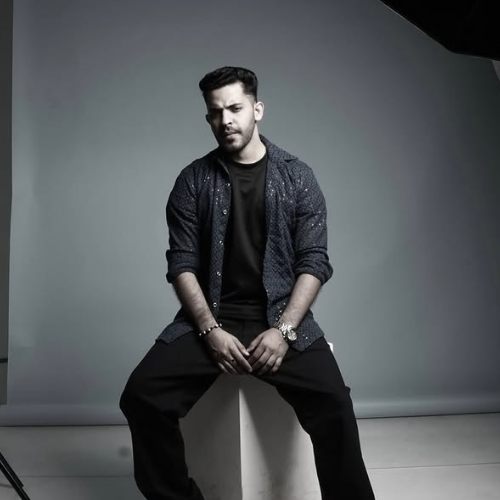
LSA taught me the business side of music. that's what got me to Prime.

Nishit Sharma opened for The Yellow Diary on their “Kahe Kahe” India Tour in Mumbai.

Phlamyx released “One Rave” on Dimitri Vegas & Like Mike’s label, Smash The House.
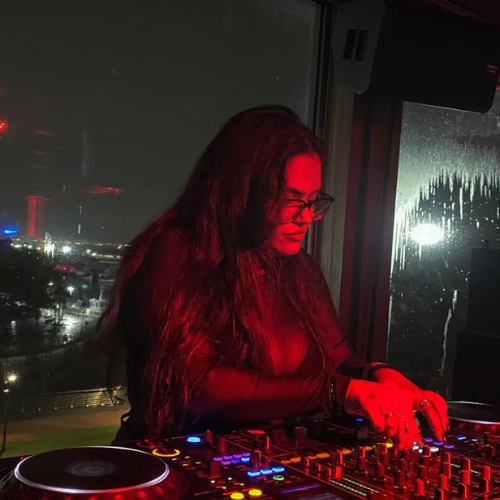
LSA helped me build confidence. Landed 4-5 Events post my course.
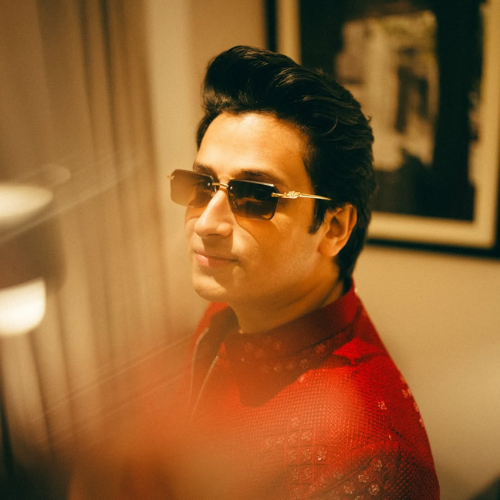
Rahil Mehta performed a sold-out show for 8000+ people at NSCI Dome, Mumbai.

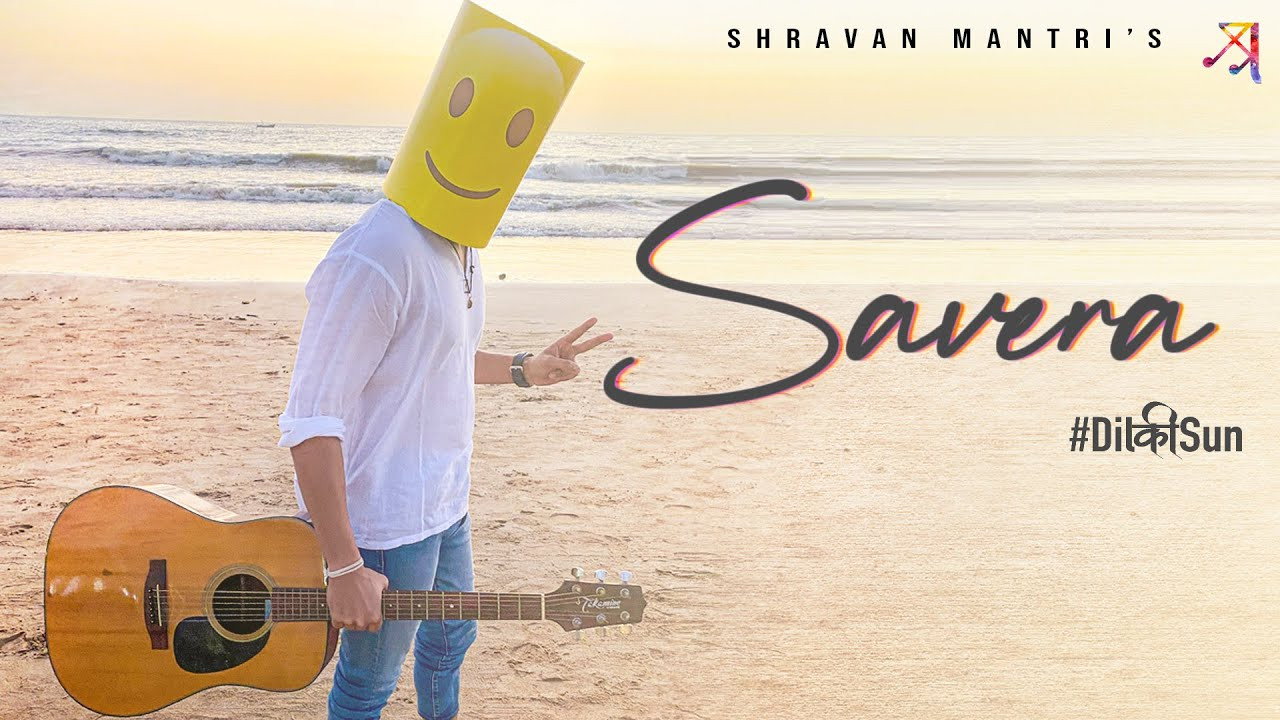
Shravan Mantri’s track was featured in the Amazon Prime series Shehar Lakhot.
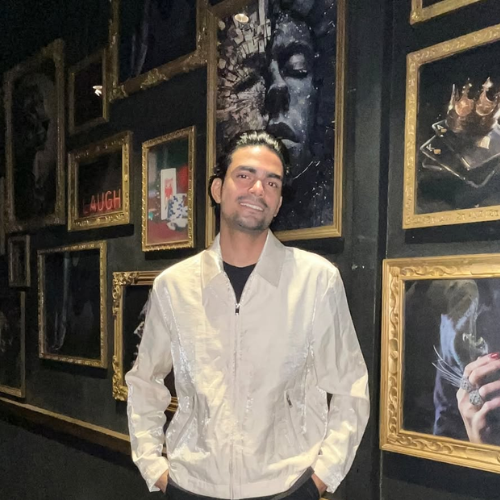
TROSK released an official remix for Diljit Dosanjh & Sia’s track “Hass Hass.”

Sounds Like VDHANI won IFP Gold for “Won’t Give Up,” beating 900+ creators in the 50 Hour Music Challenge.

LSA helped me build both my sound and my brand simultaneously.
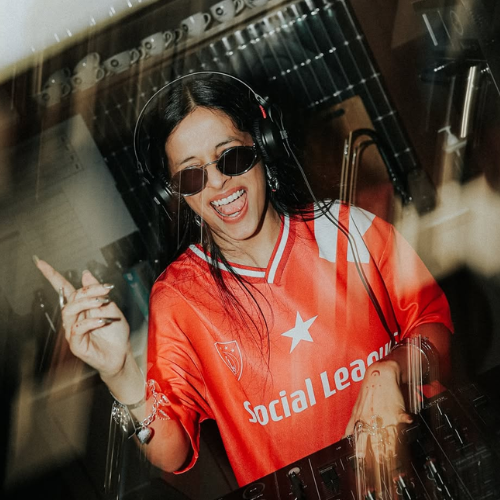
Combining music and healing was my calling. LSA helped me pursue it.
Below are the eligibility criteria for the course and the ideal candidates for the program.
Music Production to Music Marketing, we have it all covered in detail in our offline courses conducted in Mumbai.
The Course Is Conducted At Our Academy In Chembur, Mumbai.The Student Receives A Confirmation Email About The Course Enrolment As Soon As We Successfully Receive The Fees.
Every Batch Consist Of Maximum 15 Students. To Attend The Sessions, Students Are Requested To Carry Their Laptop To Take Important Notes During The Sessions.
Once All The Modules Are Successfully Completed, The Students Keep In Touch For Continuous Feedback On Their Work From Our Faculty.
Once Students Have Tracks Ready For Audience Consumption, We Offer Free Promotions Across All LSA Social Media Platforms.
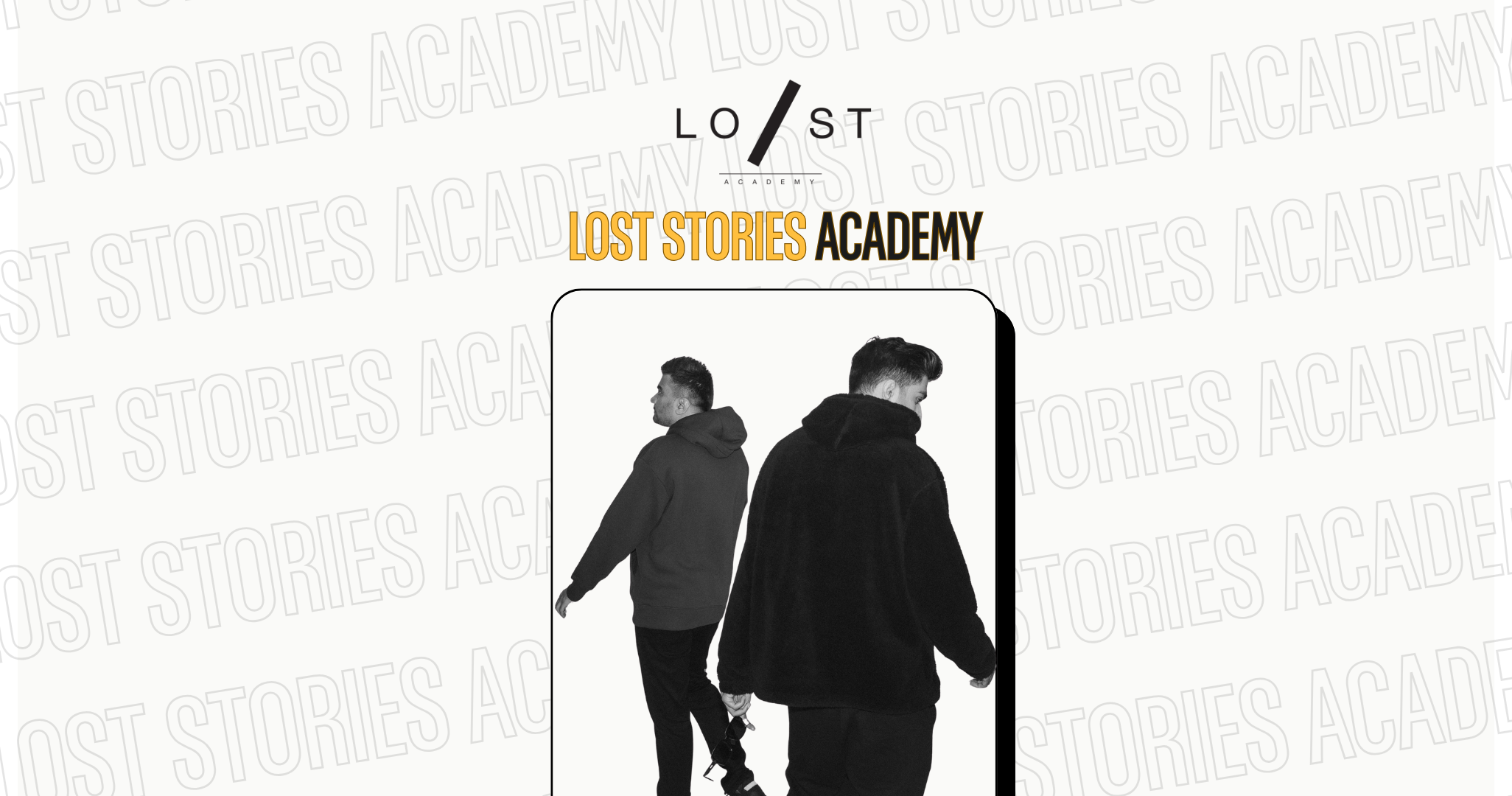
Our faculty aren't academics — they're active artists and producers who teach from real industry experience.Founded by Lost Stories · Tomorrowland 2015–2019
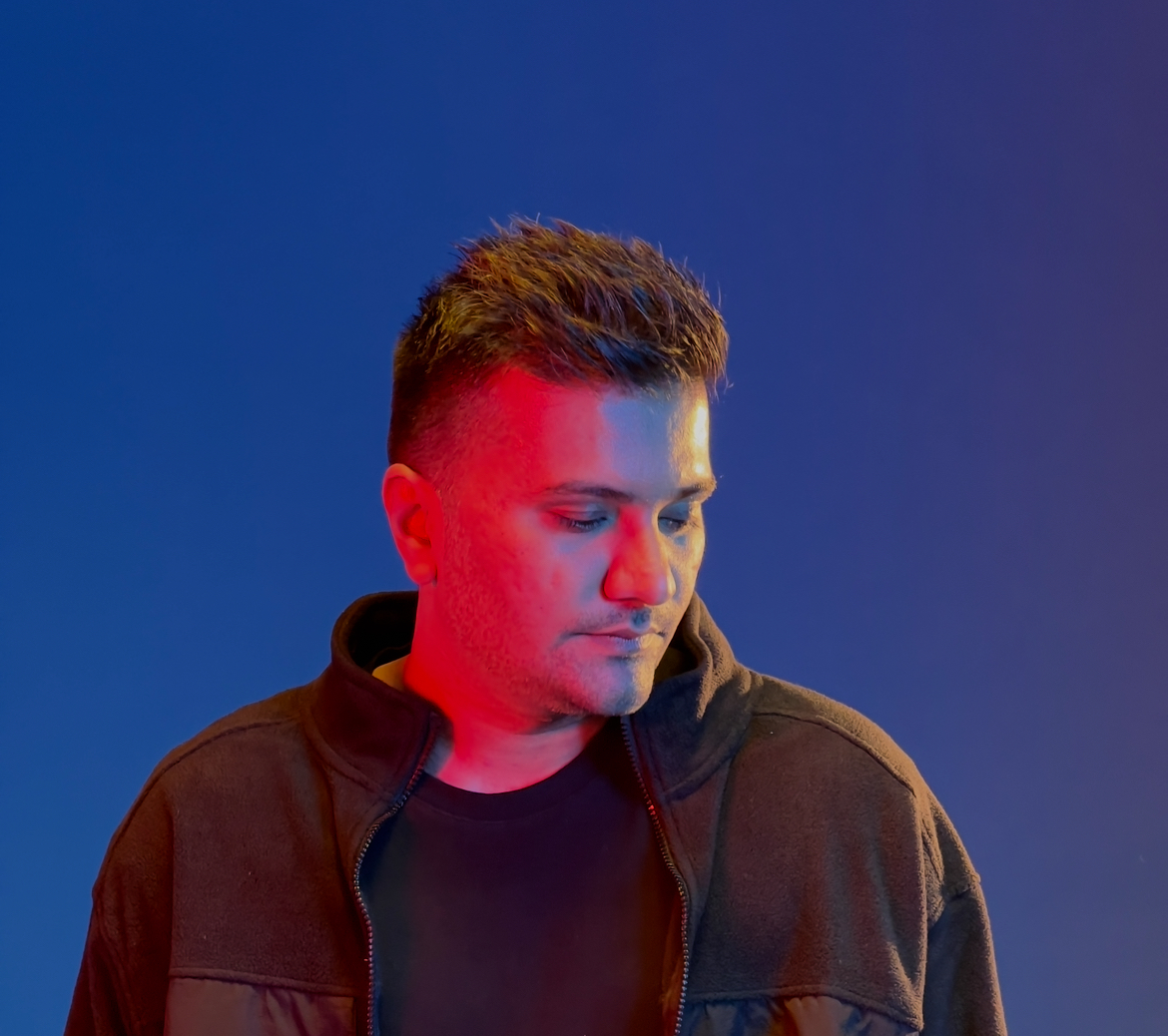

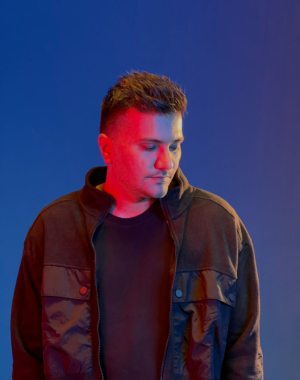
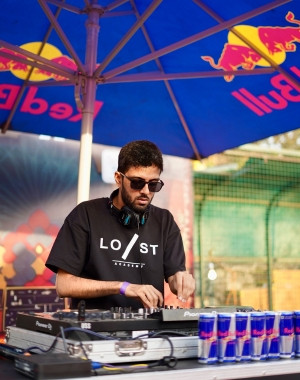
Lost Stories · Founders
#52
DJ Mag Top 100
500M+
Digital Streams
4×
Tomorrowland
15+
Yrs of Experience
Collab
KSHMR, MARSHMELLO, ALAN WALKER, ANUV JAIN, JONITA GANDHI, ARMAAN MALIK
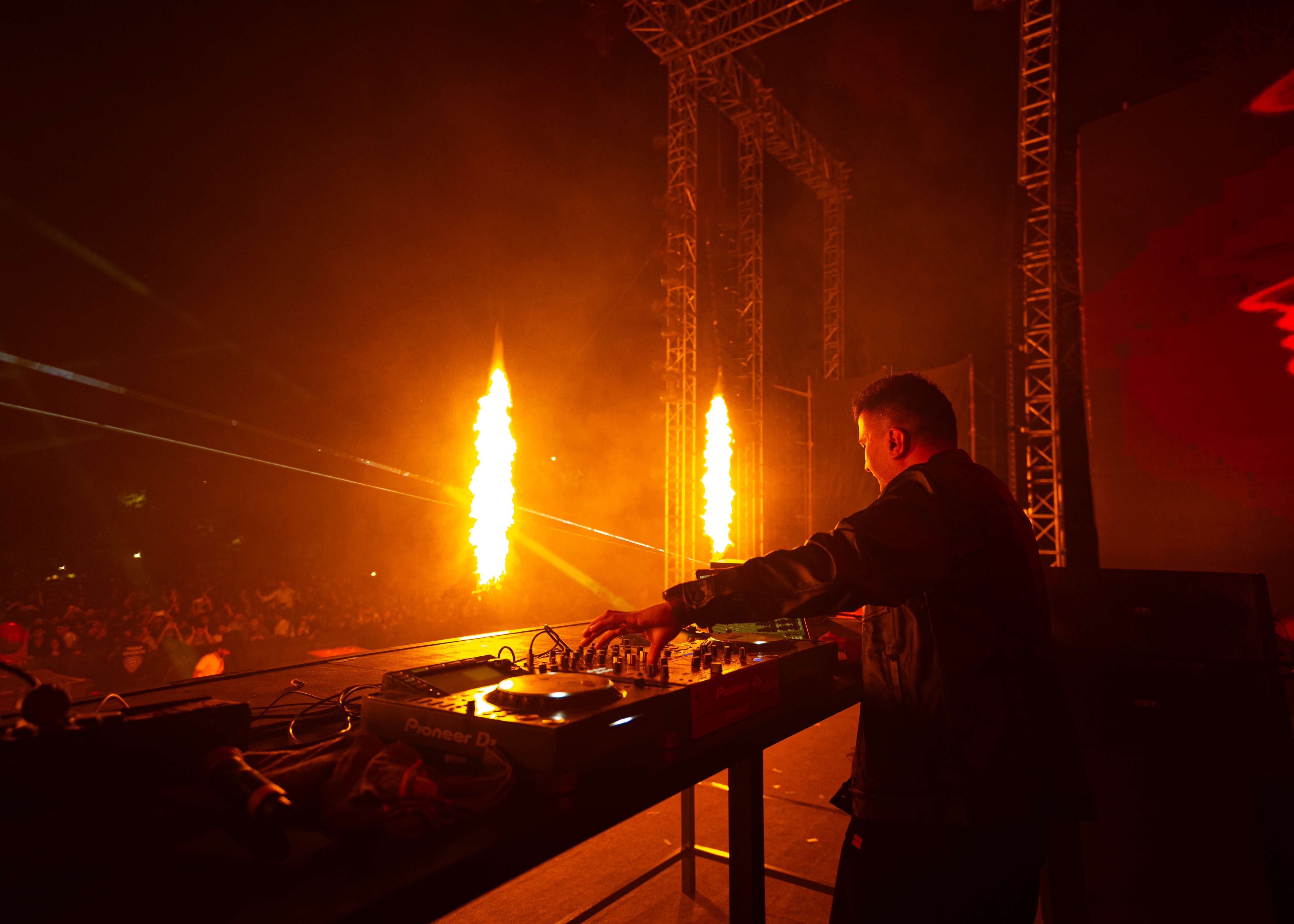
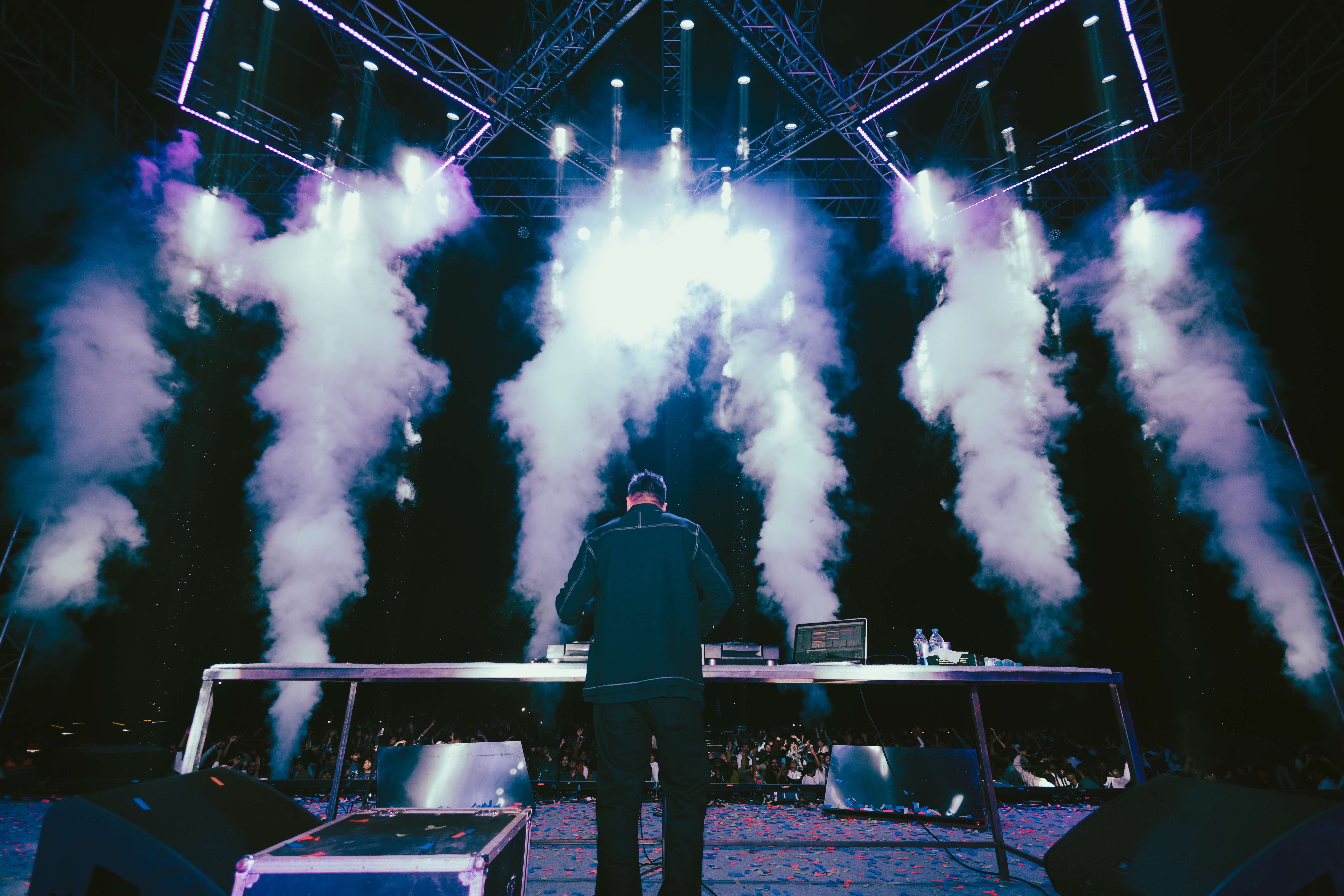
Lost stories are a name synonymous to Dance Music in India and South Asia. Ranked #52 on Dj mag 2016 and labelled the “Scene Starters” by DJ Mag, Rishab and Prayag began their journey in dance music in 2008 earlier producing Trance and Progressive House and garnering support from heavyweights like Tiesto, Armin van Buuren, BT, Markus Schulz etc. They then evolved their sound with their debut album – Music for the # Generation (Universal Music) in 2012 which was the no 3 Album on Top 100 Dance Albums iTunes Charts.
Ever since, they’ve had 3 #1 singles on iTunes and remixed the likes of One Republic, Afrojack, Alan Walker with releases on Universal Music, Interscope Records, Sony Music and Spinnin’ Records.
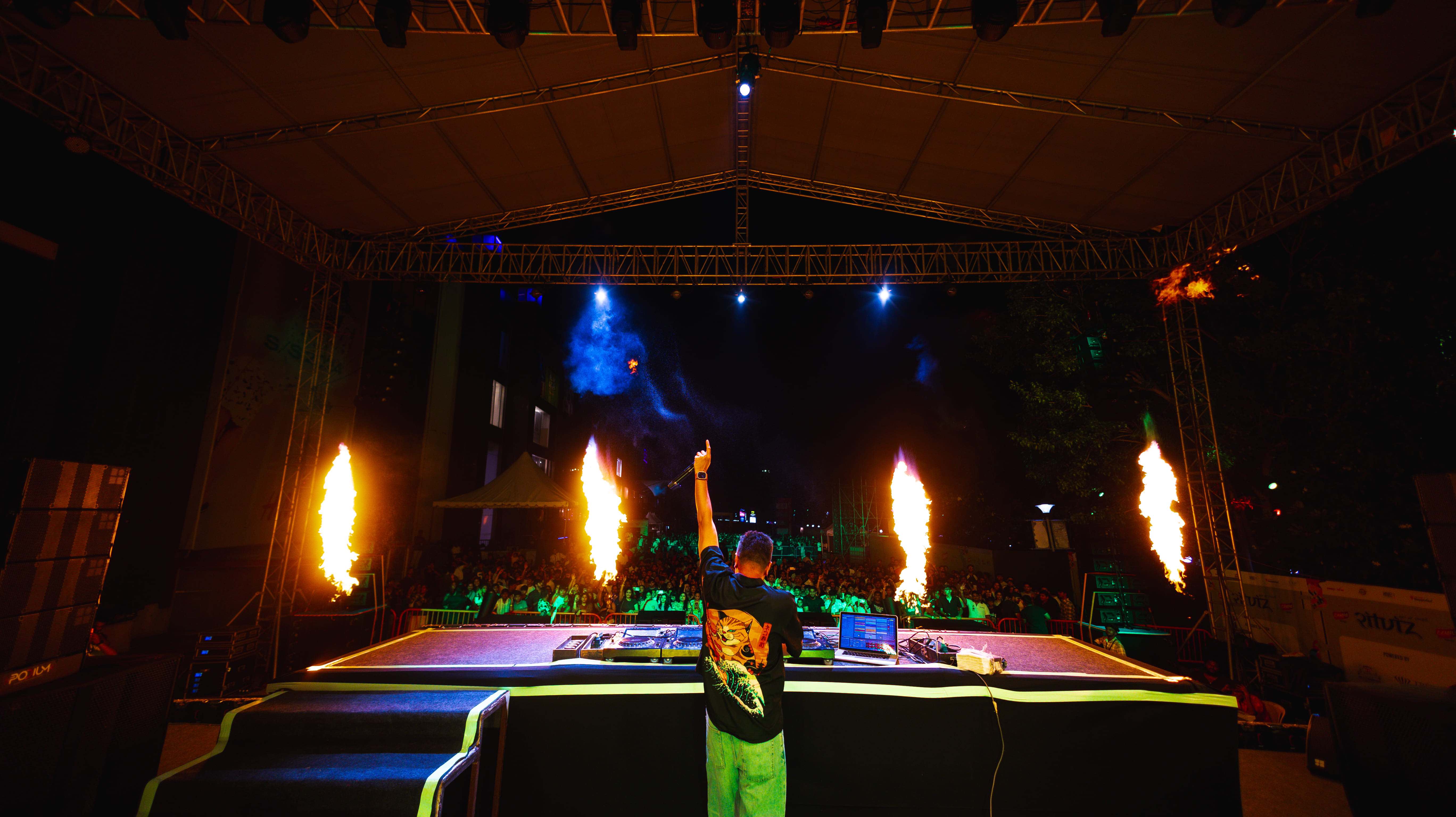
Lost Stories are the biggest Dance Music exports with Performances at Tomorrowland (2015-2019), Global Citizen Festival, Mysteryland, New Horizons Festival, Electric Daisy Carnival, Sunburn, VH1 Supersonic etc.
They’ve done extensive club and local festivals tours in India, UAE, China, Europe, Mexico and multiple South Asian countries.
Lost Stories Academy, an initiative by Lost Stories has been a pioneer in electronic music education since 2015. Lost Stories are India’s most renowned export from India to the world in the field of electronic music production. From representating India at world’s largest festival, Tomorrowland for five times to working with world renowned artists such as KSHMR, Marshmello, U2, One Republic, Alan Walker, etc. They have steadily raised India’s flag on world stages for over a decade.
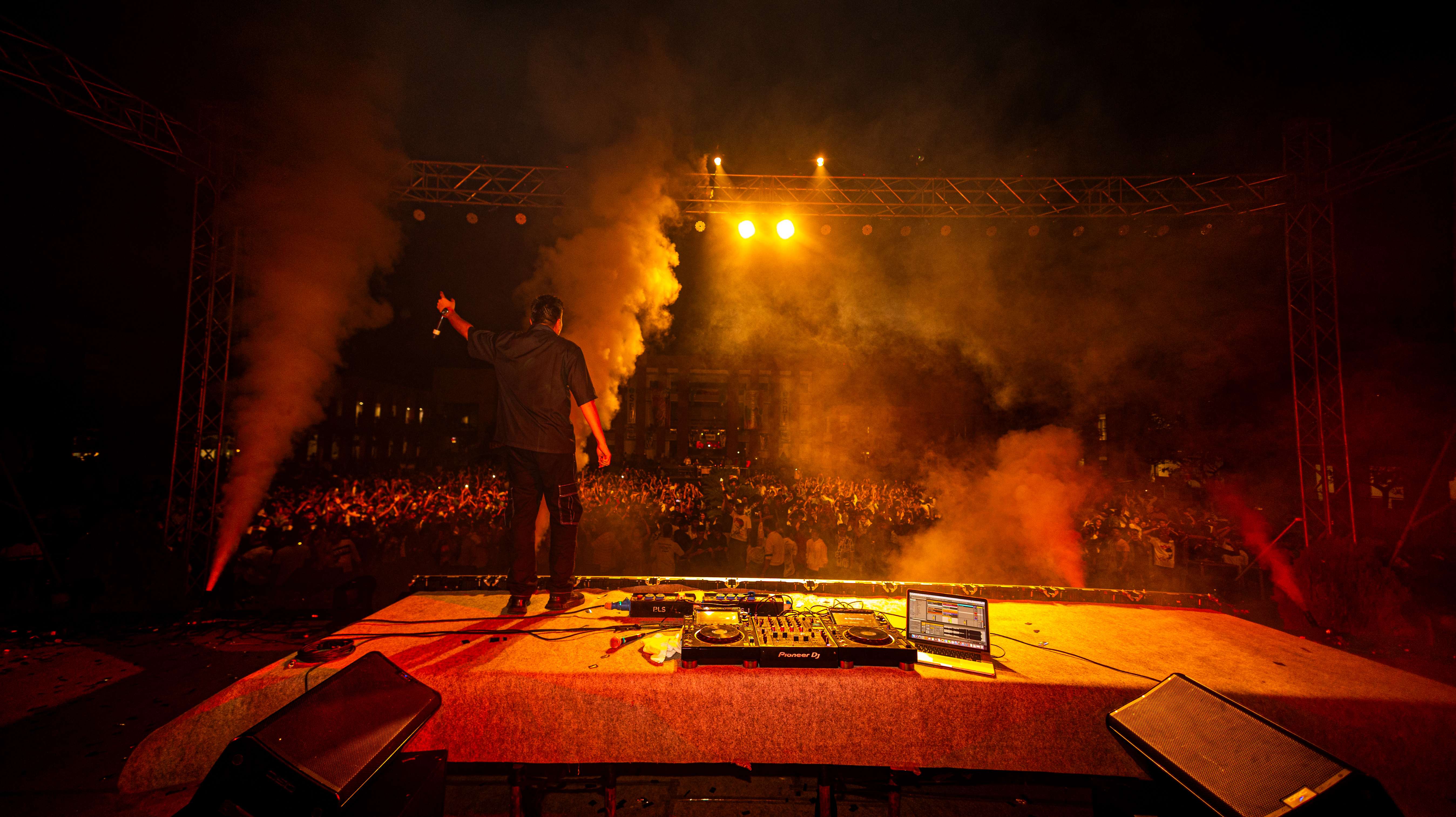
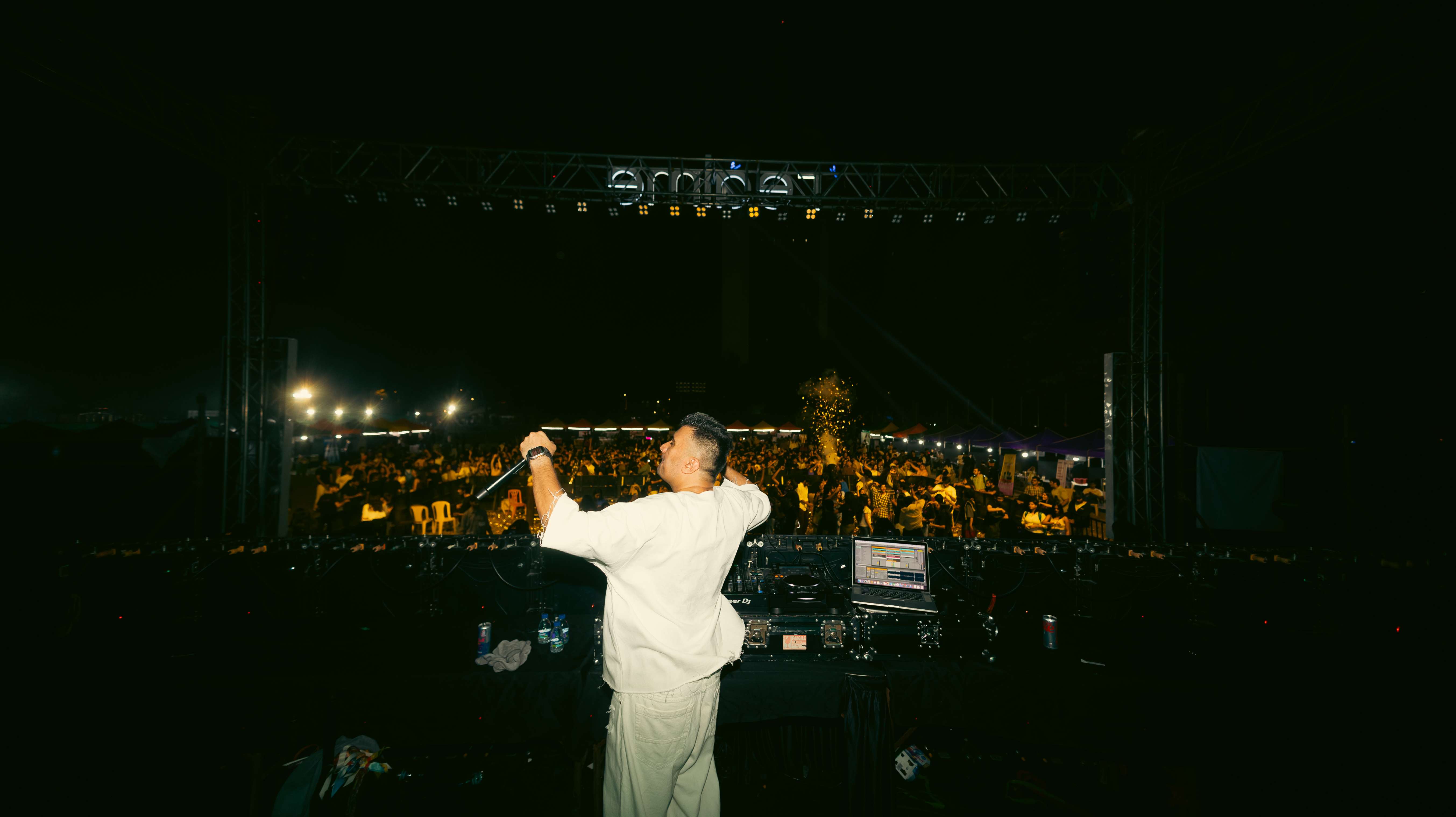
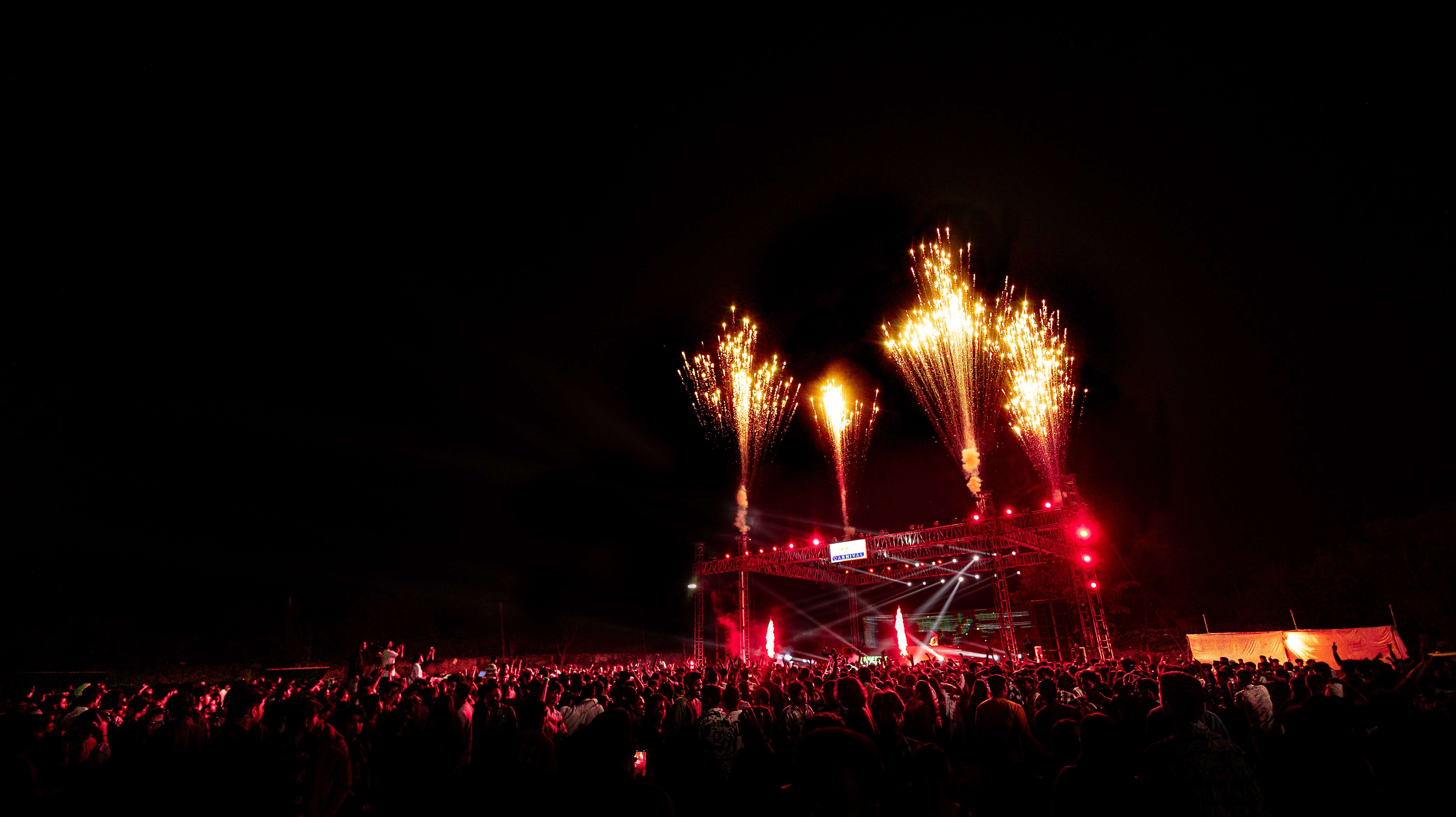
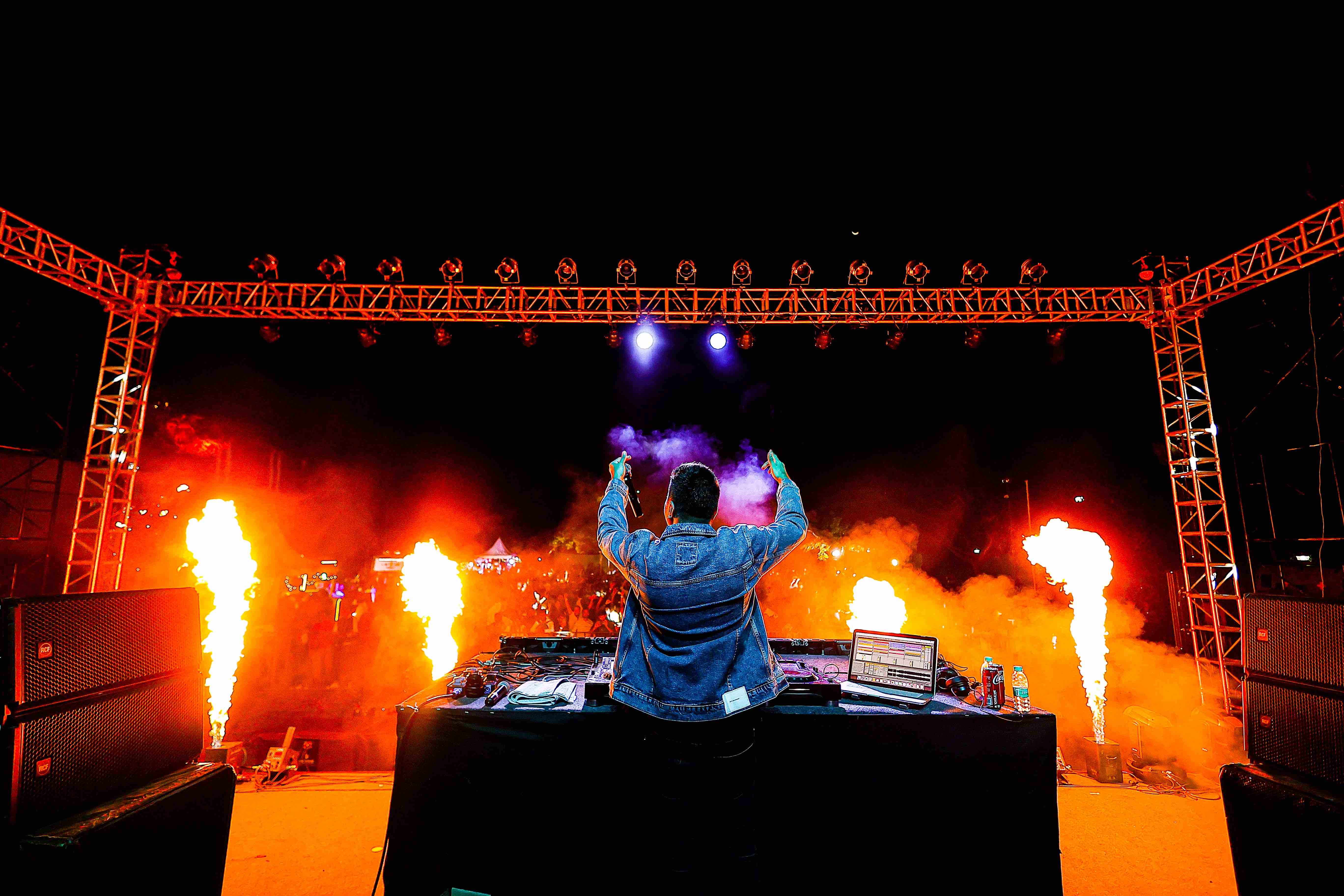

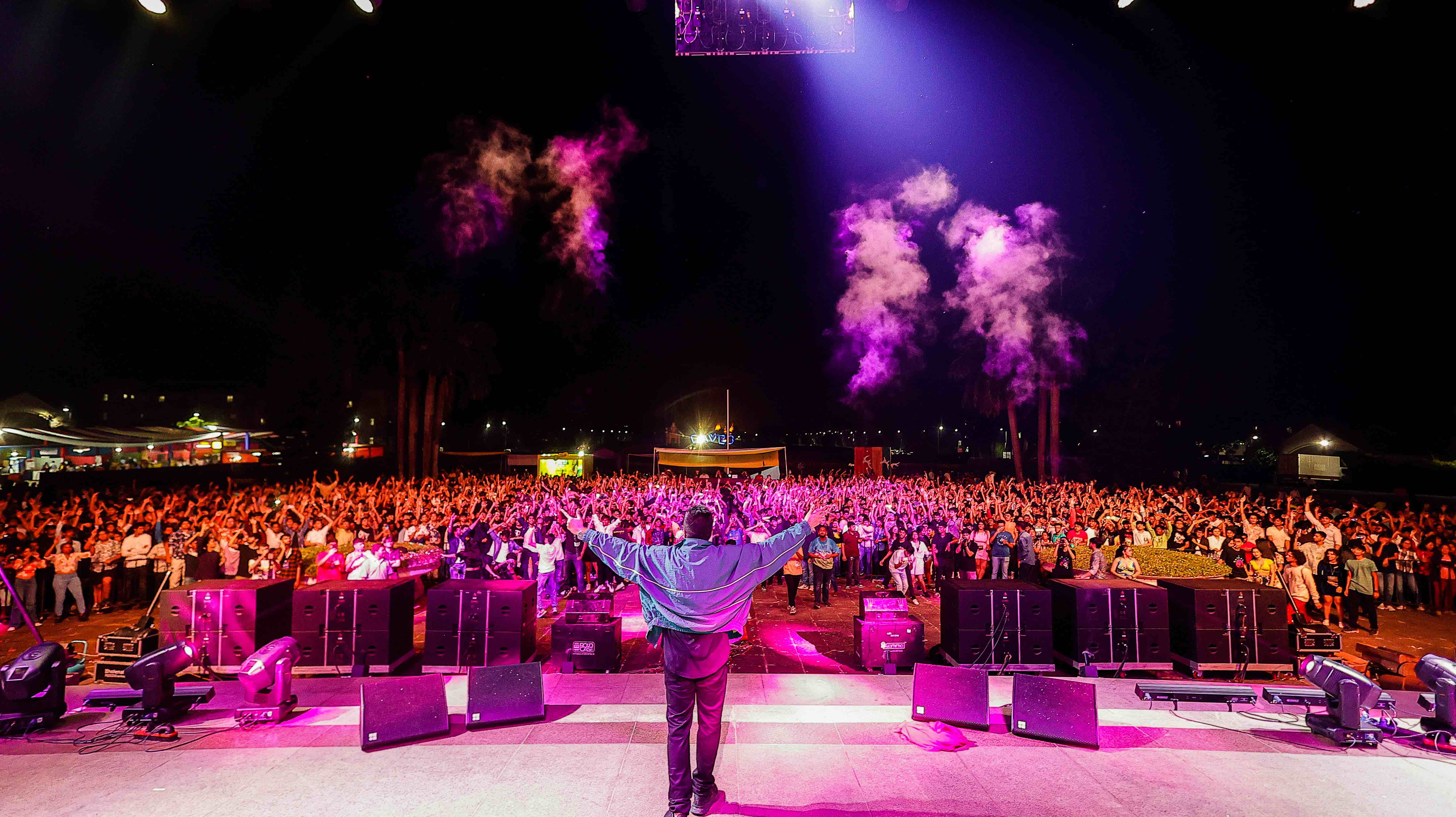
Master the art of making music that sounds professional and consistent, get more benefits and an extended support program.
 English, Hindi
Upcoming Batch - 1st Oct, 2026 - Mumbai
Live offline classes or “In-the-Studio” courses are in-person classes or group sessions conducted by our experienced faculty team at our academy in Mumbai. All offline live classes include Ableton Live Suite EDU license and other benefits. Complete details about the course modules and benefits are listed on the respective course pages.
Lost Stories Academy is located in Chembur, Mumbai where offline or “In the Studio” courses are conducted.
In the studio classes have a limit of 15 students per batch for practical lectures.
We offer 2 modes of payment. If you want to pay online in order to confirm your seat, a non-refundable advance payment of 100% is payable via secured online payment gateway on our website. If you want to pay via cheque/bank transfer to confirm your seat, a non-refundable advance payment of 1 st instalment or 50% of the course fee is payable through cheque/bank transfer. The student receives a confirmation email about the course enrolment as soon as we successfully receive the transfer. The student is then added to a whatsapp group where further details about the batch commencement is communicated. In case of cheque/bank transfer, the pending 50% fee or the remaining instalments are payable within 2 months of the course commencement. Complete details about the instalments is listed on the respective course pages.
In case of some students failing to clear the pending fees, their access to all the course benefits is revoked. Furthermore, they will not be allowed to attend the remaining sessions.
Students are requested to carry their laptop to take important notes during the sessions and a studio quality headphone to practise exercises related to music production. Students can take advantage of in-person feedback (unlimited) from our experienced faculty whenever they have new demos ready.
Students can avail EMI or Pay Later options on our online payment gateways (Razorpay or PayTM) as per the payment gateways’ Terms & Conditions or get in touch with our representative for offline partners. In case, if students wish to pay via cheque/bank transfer, we offer two to three instalments, depending on the course. A non-refundable advance payment of 50% or one instalment is payable via bank transfer in order to confirm the seat. The student receives a confirmation email about the course enrolment as soon as we successfully receive the transfer.
We do not offer demo sessions. We suggest students to get in touch with our offline and online course Alumni or go through testimonials on our website, talk to our representative in case of any doubts and to get an idea about the quality of education we provide, before enrolment.
In case you miss a session, you can go through our general recorded session videos which is made available to the students in the membership area on our website. We try to also accommodate you in the next batch for the topic you have missed, subject to seat availability in that batch.
In the studio sessions are conducted using the latest Ableton Live Suite version.
Students should have a laptop and a studio quality headphone in order to make the most out of this course. Knowing how to play an instrument also helps in understanding music theory better but it is not a pre-requisite as we teach music theory from scratch in the studio.
Although knowing how to play an instrument can really help to understand music theory and write better music composition, it is not mandatory or a pre-requisite to join our courses as we cover music theory in detail. Complete details about the eligibility criteria is listed on the respective course pages.
If you’re new to music, you can start with our offline two-months Ableton Live classes (Basics and Advance) and gradually move on to two-month sound design, music theory course or mix/master course. It is also possible to upgrade from one month course to 6 months course (Music Expert) or 12 months course (Music Prodigy) depending on what you want to learn.
We offer Ableton Live training basics and advanced (1 month each), song writing, music theory & sound design (2 months) and Advance Mixing and Mastering (2 months) as separate modules. Rest of the modules are offered under a specific course only.
The benefits included in the course for free cannot be traded in return for a discount or transferred to someone else.
Yes, all our courses are inclusive of 18% GST.
Yes. In order to claim GST input credit, please provide your GST number along with the invoice details to our representative at the time of enrolment.
Placements are not guaranteed. We connect our students with the industry professionals who could provide them with work based on the quality of work submitted to them and the opportunities present with them.
We offer continued support to all our students after they have successfully completed the course. We provide them with timely feedback on demos, any opportunities related to music production work, demo submissions, discounts on plugins, networking opportunities etc.
We provide a course completion certificate after the students have successfully completed the course.
We are a private institution, we are not affiliated with any other education body.
Yes. You can get in touch with our team to understand the academy environment, course structure and upcoming batches before enrolling, as well as check out the practice rooms and equipment available to the students.
Scroll to see more ↓
Yes. While Ableton Live is the primary software taught, the concepts covered including production, sound design, mixing, mastering, songwriting, and music business are transferable across all major DAWs. The focus is on developing professional skills, not just learning software.
Absolutely. Students can bring their own original songs into the program and receive guidance on arrangement, production, recording, sound selection, mixing, mastering, and release preparation to help achieve a professional-quality result.
Yes. Many students balance the program alongside college or professional commitments. However, students should be prepared to dedicate time outside class for practice and project work.
Yes. The course includes dedicated modules covering professional mixing workflows, mastering techniques, critical listening, audio processing, and industry-standard practices.
This program combines: Live studio training Professional Ableton Live education Industry mentorship Music business insights Real-world project exposure It is designed to help students transition from learning music to building a career in it.
Students receive continued mentorship, feedback on music projects, industry connections, and promotional support through the Lost Stories Academy network.
You are required to bring: A personal laptop Studio-quality headphones These are essential for practicing assignments and exercises.
If you miss a session, you can access recorded sessions through the student portal. In some cases, you may also be accommodated in another batch, subject to availability.
Students can pay through: Full upfront payment via secure online gateway Instalment plans via bank transfer or payment gateways (EMI options may also be available)
Each batch is limited to a small group (maximum of around 15 students) to ensure personalised attention and hands-on learning.
No prior experience is required. The course is designed for beginners as well as intermediate learners who want to build a strong foundation and advance to a professional level.
Students will primarily learn and work on Ableton Live 12 Suite (EDU version included) along with professional plugins and tools used in the industry.
The program includes 72 live training sessions, conducted approximately 3 times per week.
The Music Expert Course runs for 6 months with structured learning modules and live training sessions.
The Music Expert Course is a 6-month intensive offline program by Lost Stories Academy designed to train students in music production, sound design, mixing, mastering, and music theory using Ableton Live, along with real-world industry exposure.
Scroll to see more ↓